- Scientific American on how religions might react to the existence of aliens, ignoring the insights of decades of science fiction writers;
- Oakland is one of the US’s best cities…;
- David Wallace-Wells spells out 12 reasons why the Trump era is fading.
It’s always interesting when the mainstream media takes on a subject thoroughly examined, for decades, by science fiction. Which is to say, don’t expect any new insights here.
Scientific American, Adam Kovac, today: Can the world’s religions survive the existence of aliens?, subtitled “Finding alien life could shake some people to their very souls, but different religions can take very distinct approaches to the existence of extraterrestrial life”
This echoes David Brin’s discussion of the Disclosure Cult.
…the world’s religious leaders are already formulating how they would respond to extraterrestrial life—and some have more interesting approaches than others.
These discussions took center stage at a Capitol Hill gathering called the Disclosure Forum that took place earlier this year on a sunny day in June. A gaggle of lawmakers, retired military personnel, academics and businesspeople crowded into the Russell Senate Office Building’s Kennedy Caucus Room with me. As I listened, they spitballed ideas on how to handle what they believe are the increasingly likely chances of first contact with alien life.
But no science fiction writers are consulted, as David Brin might be the first to point out. The article discusses how “some belief systems may be better equipped to deal with aliens than others.” Contrasting Eastern religions with the Abrahamic religions. Talking to academics and scholars.
Overlooked are the science fiction writers, the best of whom are the philosophers of our time, best equipped to speculate about things unknown. Another problem with the article is that their examples of science fiction are the worst examples from Hollywood, e.g. Independence Day. A second problem: citing opinion polls that represent opinions no more informed about aliens that about anything else.
According to one recent poll, a third of Americans believe at least some UAP sightings were actual spacecraft; another poll found about half the country believes aliens probably exist. But drilling down more formally into specific religions is more murky: A 2021 poll revealed that among U.S. Christians, people who said religion was very important to them were less likely to believe that intelligent life might exist on other planets, as were those who attended religious services at least weekly. Belief in alien life also varied by denomination.
A consistent theme in science fiction, from Frankenstein to Asimov’s “Nightfall” to Sagan’s Contact is the religious opposition to new knowledge. That is what we should expect.
\\\
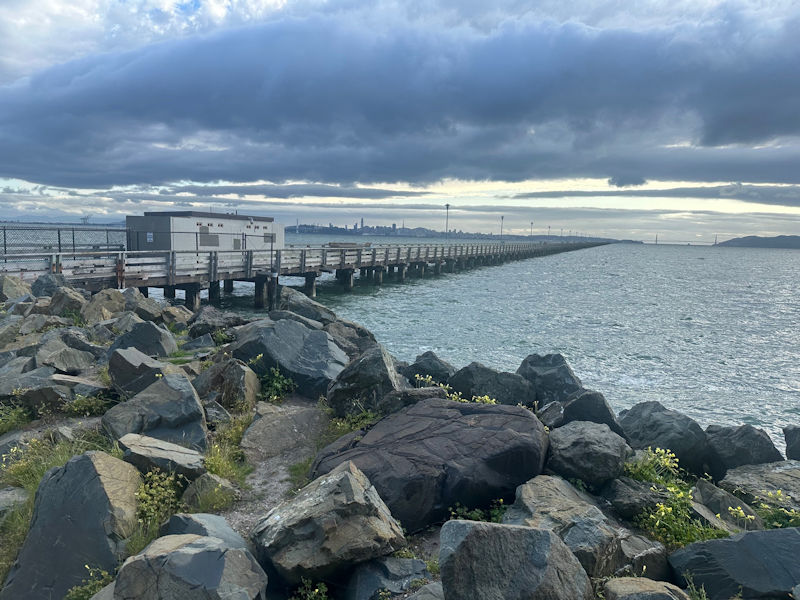
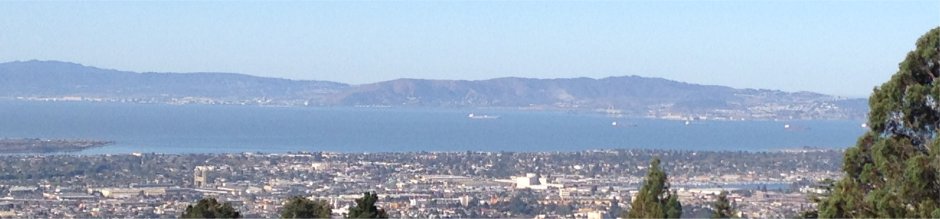
Just saying. This is where I live.
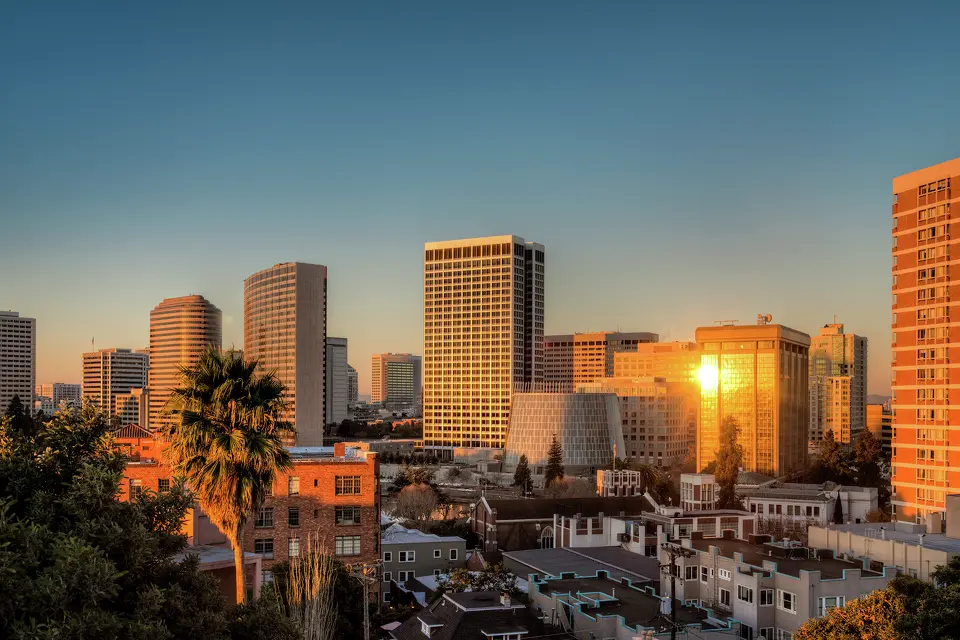
SFGate, Olivia Harden, travel reporter, yesterday: Oakland named one of the US’s best cities, confirming what locals already knew
On Oct. 6, Condé Nast released its Reader’s Choice Awards and crowned Oakland the sixth best big city in the United States. The outlet surveyed travelers between April 1 and June 30, and Oakland was one of only three California cities, along with San Francisco and San Diego, to make the list (Healdsburg and Santa Barbara made the outlet’s list of the best small cities).
So, the results are based on a survey of readers of a travel magazine, and the results are led by … Charleston, South Carolina. “Best city”? Really? Take this with a big grain of salt. Consider what criteria they must have been using.
Still, I think it’s worth noting that while Oakland has a reputation for crime, the crime-ridden areas are only a portion of the city. I’ve thought of this as much like Los Angeles, which has boundaries, as Oakland does, that extend into crime-ridden areas while also including middle-class and upper-class neighborhoods. Those of us who live in the latter just don’t venture into the former. The city boundaries are misleading; it’s more about neighborhoods, that form based on geography and freeways (or precede them).
\\\
The current situation.

NY Times, David Wallace-Wells, today: The Trump Era Is Fading
So — what was the Trump era and what might it tell us about what comes next? Some of that story is pretty familiar, 10 years on. But here are 12 perhaps more surprising, or counterintuitive, takeaways.
I’ll reproduce his list.
- MAGA defined the epoch, but the movement — and its leader — was always weak.
- MAGA doesn’t mean what it used to.
- But the influence of Christian nationalism endured — even grew.
- The traditional Republican heartland is looking pretty purple all of a sudden.
- We have entered an era of whiplash politics.
- MAGA is often framed as a reaction to progressive overreach. Maybe it’s the other way around.
- Abortion has largely disappeared from the political landscape, but the gender wars remain.
- Trump’s two biggest political legacies are problems the country must solve.
- Trump turned China into America’s foil.
- And he torpedoed America’s reputation around the world.
- The Silicon Valley “vibe shift” may have been primarily about A.I.
- Trump violated the politician’s code when he declared the country broken in 2016.
A couple of these bear closer examination, but I’m done for this evening.