
Items about censorship in Texas, Trump saying stupid things, David Brooks on the soul, and how “polarization” is about sexists and racists on one side and those are aren’t on the other. (Belatedly posted 19 Oct 2026, items collected on 11 Oct.)
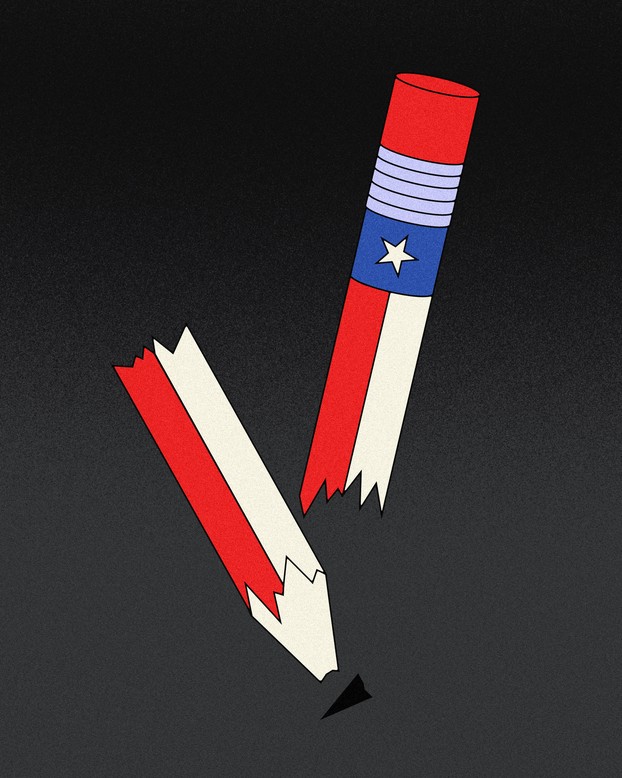
The Atlantic, Adam Serwer, today 11 Oct: All the Things You’re Not Allowed to Say In Texas, subtitled “The state now controls what professors can teach.”
Because AIs now evaluate what professors plan to say.
It flags anything that might violate new rules laid out by the university chancellor, including a prohibition on the “advocacy/promotion of race or sex-based prejudice,” and a requirement—now Texas state law—that “only two sexes, male and female, are recognized.”
The world is simple, black and white. No nuances allowed. Transgenders, gays, Africana studies, Mexican American and Latino studies, women’s and gender studies, and race and migration studies
…many Americans have come to believe that academia is too ideological and too intolerant of conservative views and arguments.
That’s because conservatives insist on black and white thinking, while the world is complex and multifaceted. That’s why they don’t like education.
\\
JMG, today: Trump: “I Could Say Stupidest Things And You’d Clap”
He did, and they did.
\\\
My take, short answer: No. Not in the way people imagine, as some sort of ethereal nonphysical entity that survives the body’s death and lives forever. That idea is a category error. See Core Themes.
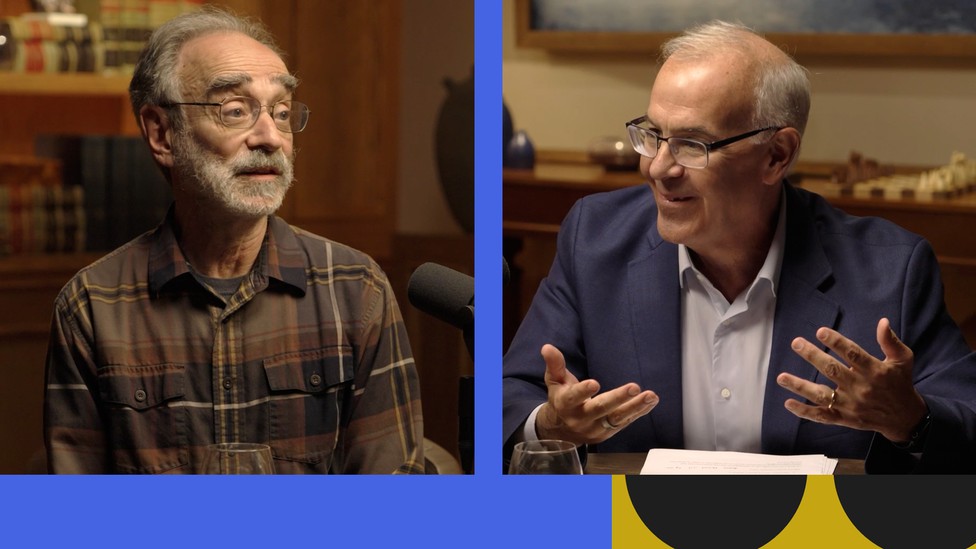
The Atlantic, David Brooks, today 11 Oct: Do Human Beings Have Souls?, subtitled “The philosopher Shelly Kagan has gained millions of fans online while arguing that we can embrace physicalism without giving up meaning, morality, or human exceptionalism.”
The majority of Americans believe that every human being has an immaterial soul, and they tend to base their sense of human dignity and equality on this belief. Yet the culture at large often operates under the assumption that physical reality is all there is. Which view is correct? In this episode of The Permanent Questions, self-described “spookiest” David Brooks talks with Shelly Kagan, a best-selling philosopher who insists souls do not exist—and that we don’t need them in order to embrace the wonder and mystery of human experience.
Because people don’t understand the complexity that naturally arises from the physical state of the universe. They divide everything into physical — what they intuitively understand — and the supernatural.
Brooks thinks people do have souls. He can be correct only in the sense that every individual is a unique ineffable character. That doesn’t mean there’s a ghostly soul that will float away into heaven when the body dies.
Should read this fully. The author’s book about Death is 392 pages long, so I’m unlikely to get to it.
\\\

Was listening to KQED on the way back from visiting friends in San Jose this afternoon, and heard this week’s On the Media program, about how Polarization Is Not Our Biggest Problem. The segment that caught my ear was the one by Lilliana Mason. There’s a podcast, but no transcript. But there’s a link to Mason’s piece published in the Journal of Democracy at John Hopkins University Press: Polarization Is Not the Problem.
So what is the problem? Let’s see if in this I can find the way she boiled it down very cleaning during her radio interview.
It’s not that there’s polarization between two equally serious sides.
The people who are most likely to vilify and dehumanize their partisan opponents are Republicans who are high in racism and sexism and Democrats who oppose racism and sexism. The people who are least likely to vilify and dehumanize their political opponents are Republicans who are low in racism and sexism. One explanation for these patterns is that those Republicans who are racist and sexist vilify and dehumanize Democrats because they see the Democratic Party as a party of racial minorities and women; and Democrats who score low in racism and sexism will vilify and dehumanize Republicans because they consider Republicans to be racist and sexist. In other words, the people who are the most “polarized” in the U.S. electorate are those who are racist and sexist, and those who oppose racists and sexists.
That’s a good gloss, but it’s superficial, perhaps. There are deeper distinctions between the two sides, which I’ve been characterizing as tribal (which entails racism, sexism, and supernatural thinking) and cosmopolitan (which entails tolerance, openness to people different from oneselves, and rationality). One way is advancing the world; the other is dragging it back.
\\\