
It’s hard to get through a week without more incidents of gun violence in the US, and Republican claims that they’re all due to mental illness. So why is the US an extreme outlier in gun violence? Why would more people per capita in the US be mentally ill? The Repubicans can’t explain that. (My explanation, a few posts ago, is that there are mentally ill people in every nation, but the the US gives easy access to the mentally ill to assault weapons; that is, those most attracted to assault weapons whose purpose is to kill masses of people, are by definition mentally ill.)
I’ve missed a couple of days of blogging here, laid low with another cold, this one sniffly, coughy, and chest congested. But no temperature; not COVID. I think my partner picked this bug up somewhere (because he had it first), and brought it home to me. It’s curious that I’ve had two colds now, in two months (the previous one was in early March), after some three years of none at all, because of mostly staying at home due to COVID threats. I suppose I’m back to normal; for my entire life, since I was a schoolchild, I’ve *always* had two or three colds every year. Though rarely flus, with temperatures, chills and being laid up in bed for a week or more. With a cold, it’s downtime for three or four days. And I’m getting better. And being laid up gives you time to think, and… make decisions.
For today, a couple takes on the weird political situation in the US.
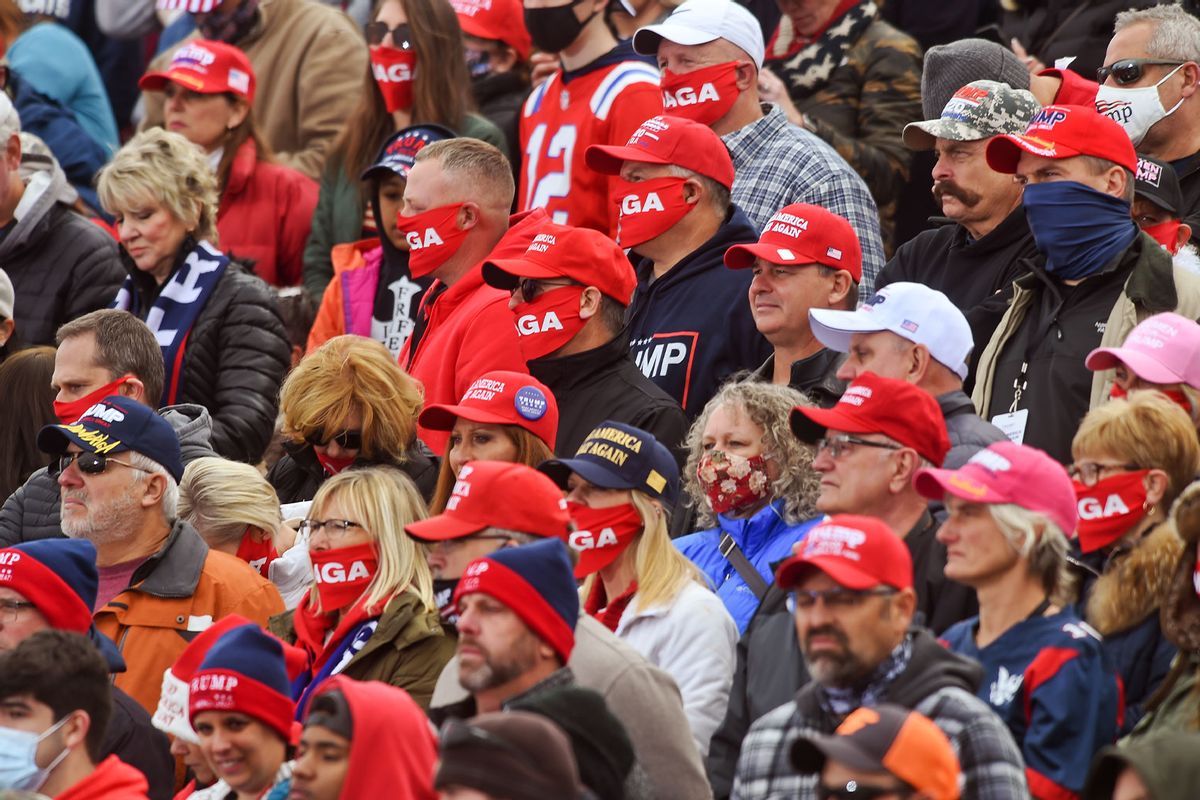
Salon, Paul Rosenberg, 7 May 2023: Undoing Undue Hate: The corrosive role of common false beliefs, subtitled “Author of ‘Undue Hate’ on how a handful of universal cognitive biases exacerbate perceived divisions” Continue reading




:format(webp)/cdn.vox-cdn.com/uploads/chorus_image/image/72226733/53155895.0.jpg)