
When life was simple and everything you were supposed to know was contained in a single book. Also: why The Lord of the Rings is so appealing to the right; media libel laws; policing; and a lagniappe about a real flying saucer.

When life was simple and everything you were supposed to know was contained in a single book. Also: why The Lord of the Rings is so appealing to the right; media libel laws; policing; and a lagniappe about a real flying saucer.
I’ve noted before how conservatives denounce “indoctrination” except when they’re the ones doing the indoctrinating. Examples include DeSantis imposing conservative values on a Florida college long known as a bastion of “free thinkers”. And examples of people believing things that are not true.

John Scalzi on writing about politics; Republican performance art; Paul Krugman on Republican intentions over decades against Medicare and Society Security; and notes about books about American myths past and present.

Margaret Atwood on the people banning her book The Handmaid’s Tale; Jared Diamond on the earthquake in Turkey and Syria, and long-term disaster planning.
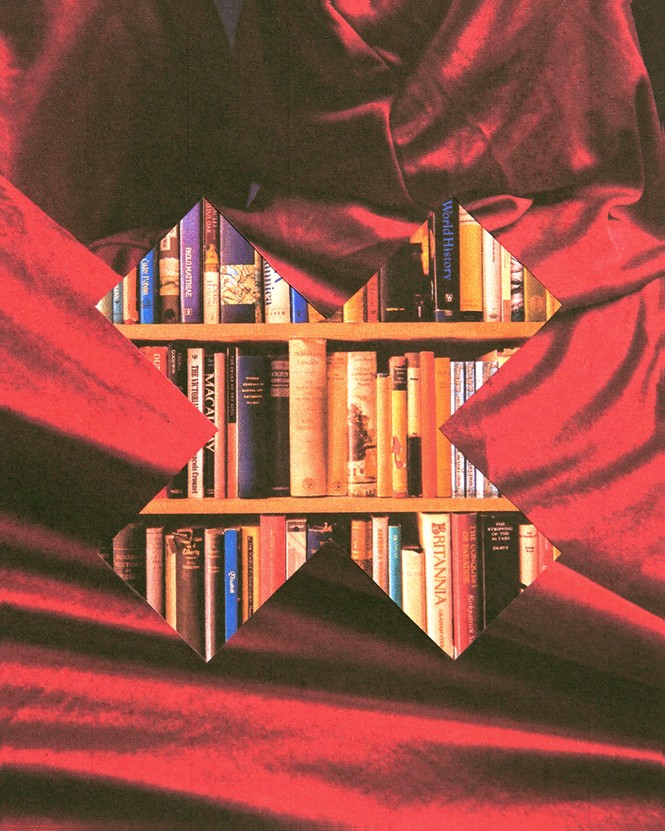
Margaret Atwood, The Atlantic, 12 Feb 2023: Go Ahead and Ban My Book, subtitled “To those who seek to stop young people from reading The Handmaid’s Tale: Good luck with that. It’ll only make them want to read it more.”
A familiar lesson, which conservatives cannot seem to learn. Ban something, and you create a desire for it. (Similar to the Streisand effect.) Atwood begins:
Here’s a local news item of interest on several points. And then my history of being victim of crime.

ABC 7 News, 10 Feb 2023: Family of Oakland baker seeks ‘restorative justice’ for her death following robbery
Catching up on links not yet used from the past week or so. Jerry Coyne responds to Timothy Keller’s presumptions about the metaphysical truth of Christianity and the need for a revived Church; The obvious evidence for lack of a “divine plan”; An example of Hollywood’s worst; and items about the balloon and Ozone Man.

Ted Chiang on ChatGPT; Paul Krugman on the GOP’s Orwellian take on the world; and epistemology.
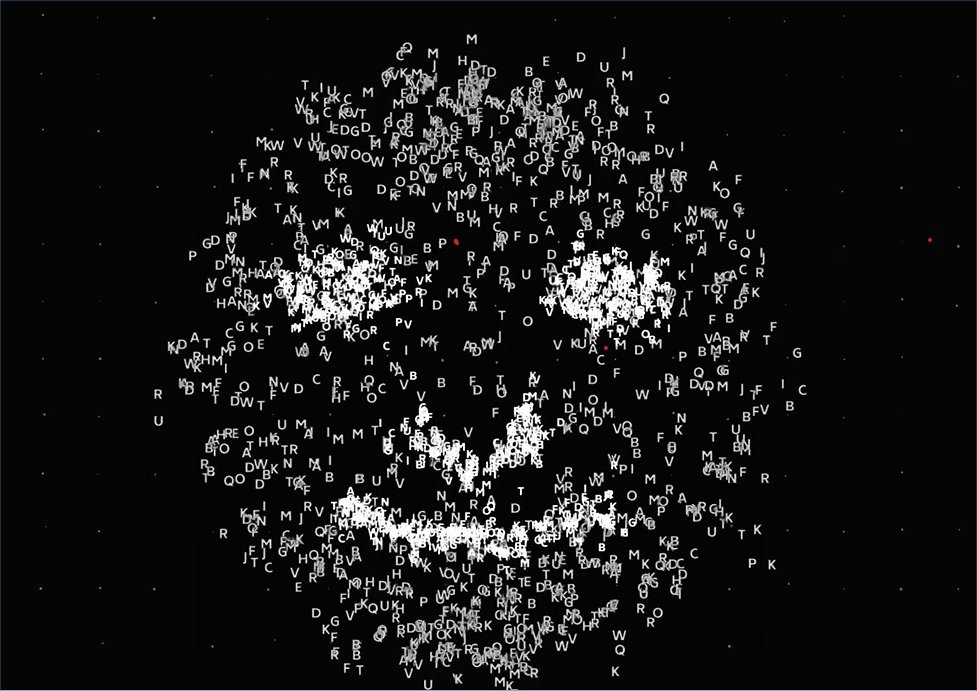
Ted Chiang, The New Yorker, 9 Feb 2023: ChatGPT Is a Blurry JPEG of the Web, subtitled “OpenAI’s chatbot offers paraphrases, whereas Google offers quotes. Which do we prefer?”
Continue reading
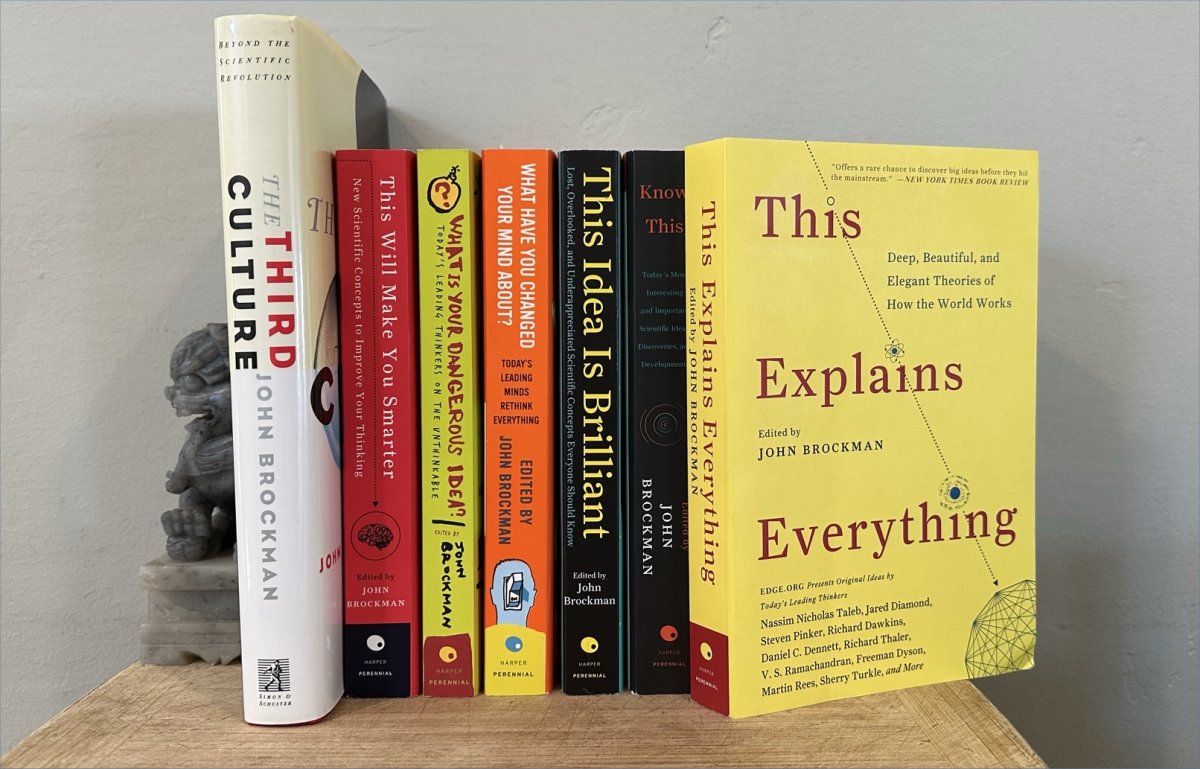
I mentioned those John Brockman anthologies of science essays back on Feb 4th. They’re associated with the website Edge.org, one of those fascinating websites I’ve noticed over the years but have not followed regularly (others are Big Think, Quanta, Aero, Quillette…) but in this case perhaps should…. Well, except that it doesn’t seem to post much new material lately. Continue reading
Some things never change…
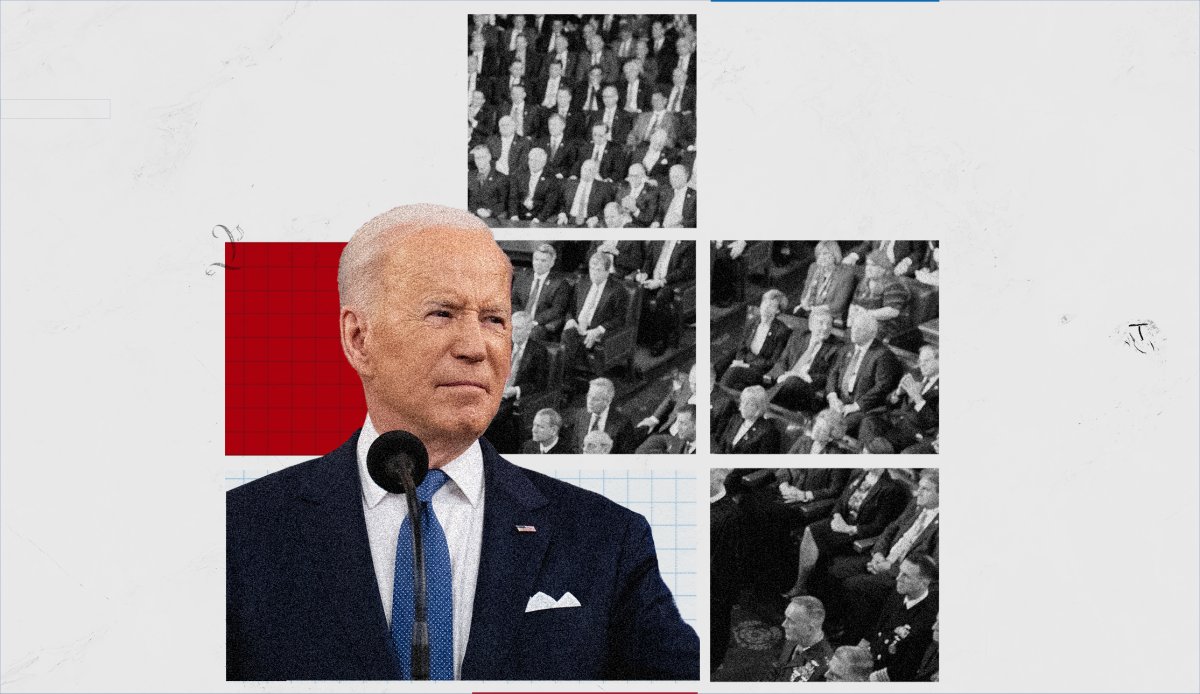
NY Times, Round Table, 8 Feb 2023: Times Columnists Respond to the State Of the Union
I’ll just list the contributors and their headlines.
\
The Republican party is full of so many class acts. Continue reading
This is a book about the subjective experience of awe, and how being aware of everyday examples of awe can make your life more meaningful and fulfilling; yet how (in my take) it’s about the emotion, triggered by both the subjective and the objective, and not about science fiction’s “sense of wonder,” something of which the author seems unaware.
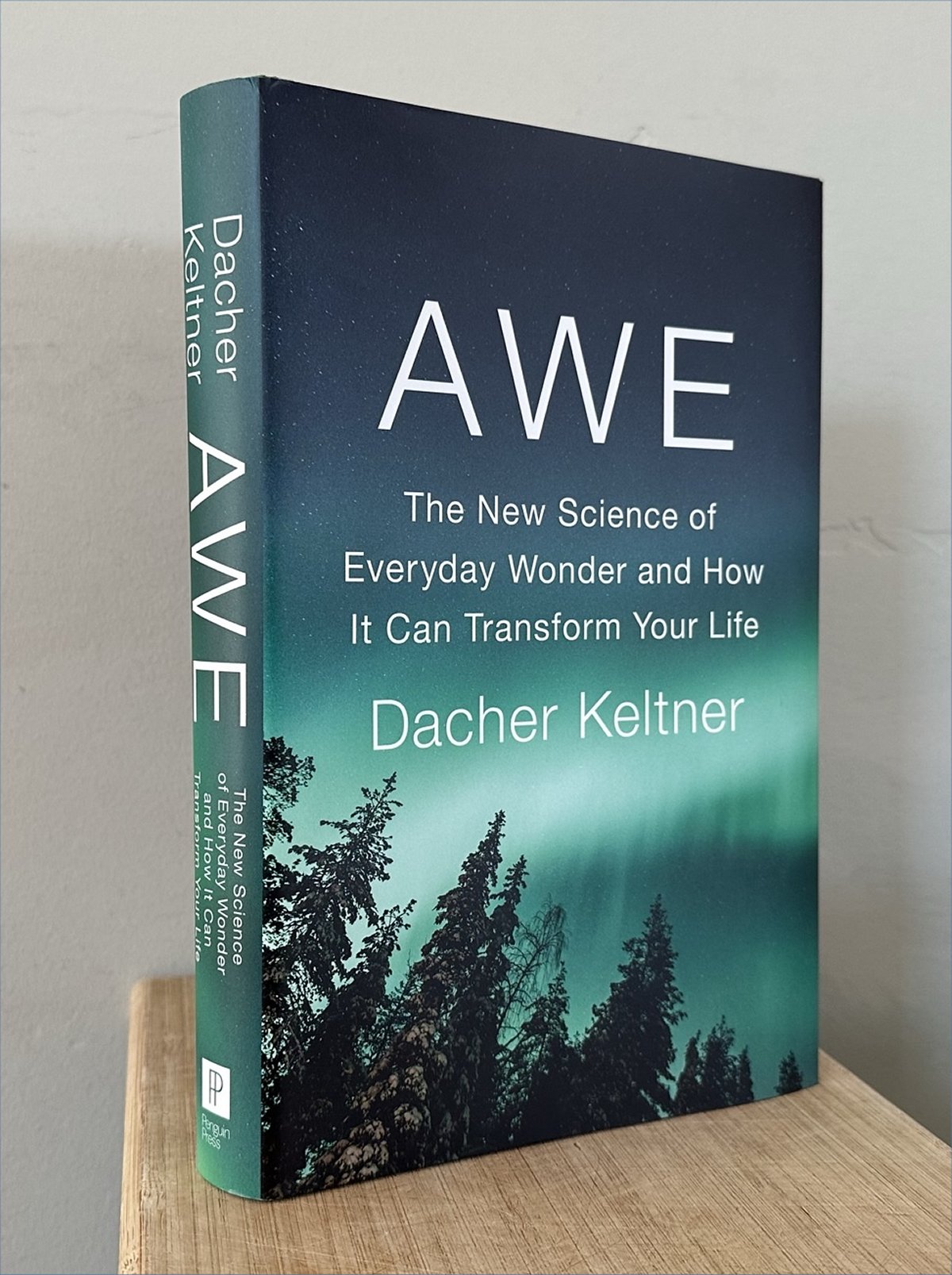
(Penguin Press, January 2023, xxvi+309pp, including 59pp of acknowledgements, notes, and index.)