
- Voting patterns and conservative conspiracy theories;
- Trump pardons a GOP Rep, because as a conservative he must have been “unfairly treated”;
- Elections fixes, which sf fans have adopted, and which Republicans would resist, since they currently have an advantage;
- How the Europeans don’t trust us; Heather Cox Richardson;
- Why Republicans like celebrity candidates;
- Activity today.
— Conservative Morality —
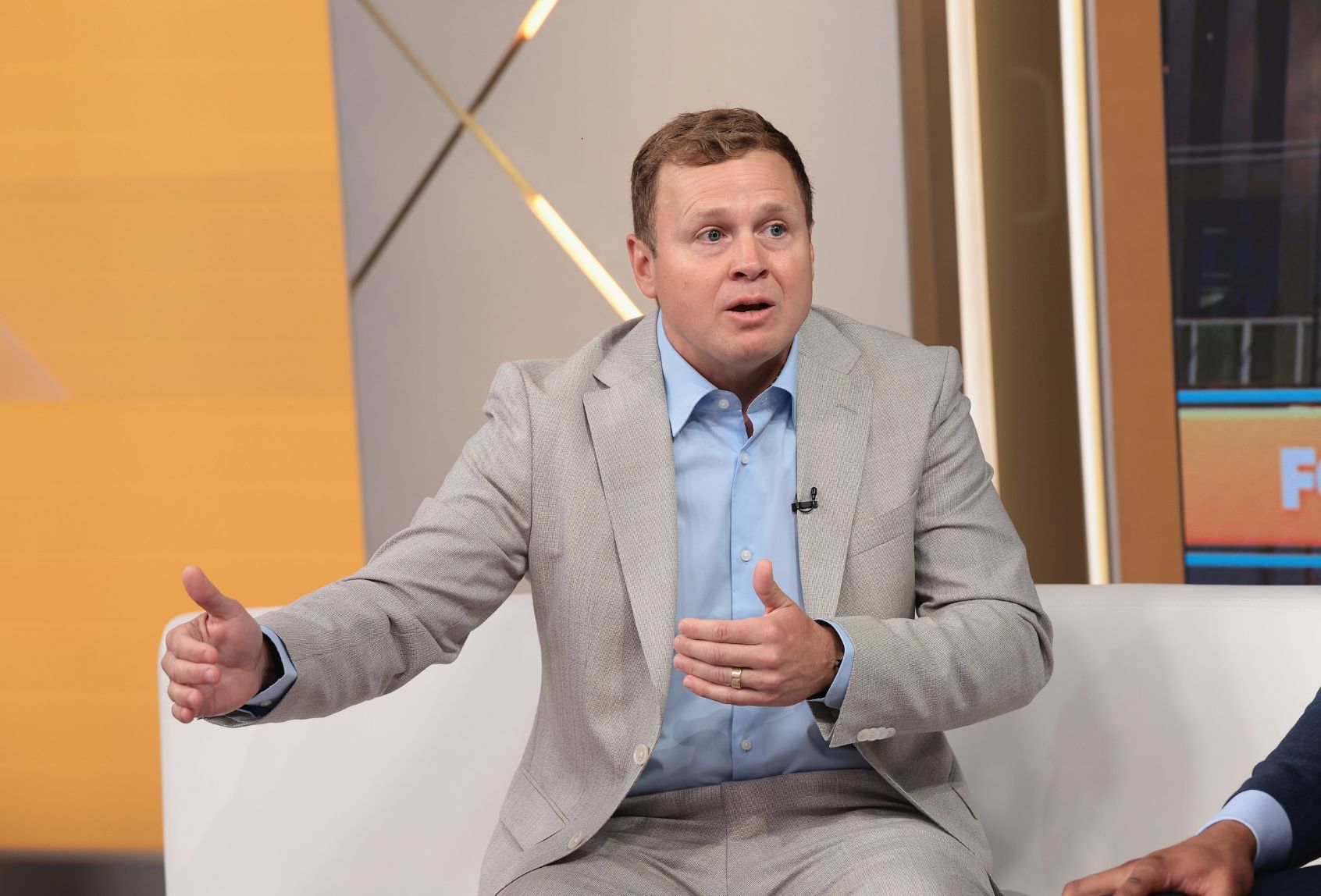
- Salon, Sophia Tesfaye, today: Right-wing media melts down as Spencer Pratt sinks in vote count
- Subtitled: Trump administration launched a federal probe as Republicans fall behind in California primaries
- This happens every time, and conservatives are unable to understand this, or are determined to find any excuse to accuse Democrats of rigging the votes, as Republicans would do. Republicans vote in person; Democrats more often vote by mail, and those ballots come in to be counted later.
- I did this myself, concerned about the California governor’s race. I waited until election day and then voted, given the polls, to see if the candidate I preferred had a chance of getting into the top two.
\
- JMG, today (from Indianapolis Star): Trump Pardons Former GOP Rep For Insider Trading
- The loyalty thing, again. If a Republican has committed a crime, it must be because of politically-motivated prosecution. They were “unfairly treated,” in Trumpspeak. The same thinking allows Trump to forgive all the January 6th rioters.
\

- NY Times, guest essay by Eric Maskin and Robbie Robinette, 4 Jun 2026: Multimember Districts? Ranked Choice? This Is How to Fix Our Elections.
-
Even in less partisan times, the country’s traditional voting system distorts how citizens are represented. Gerrymandering exploits and worsens these distortions. Changing how Americans vote could make election results fairer — whether or not partisan redistricting is banned.
Unconventional ideas, such as shifting to a European-style proportional representation system, have gained adherents. Another option should top the list: a “majority rule” system that would preserve elements of elections that Americans are used to, but make election results more representative of public opinion.
- Ranked voting is making some headway. Science fiction folks, who tend to be progressive nerds, have used ranked voting for decades in the Hugo Awards and Locus Awards, and perhaps others.
- Republicans will resist any reforms, because they currently have an advantage, especially in the Senate and electoral college, where sparsely-populated states are given equal weight with the eight or ten states where most of the US population lives.
\
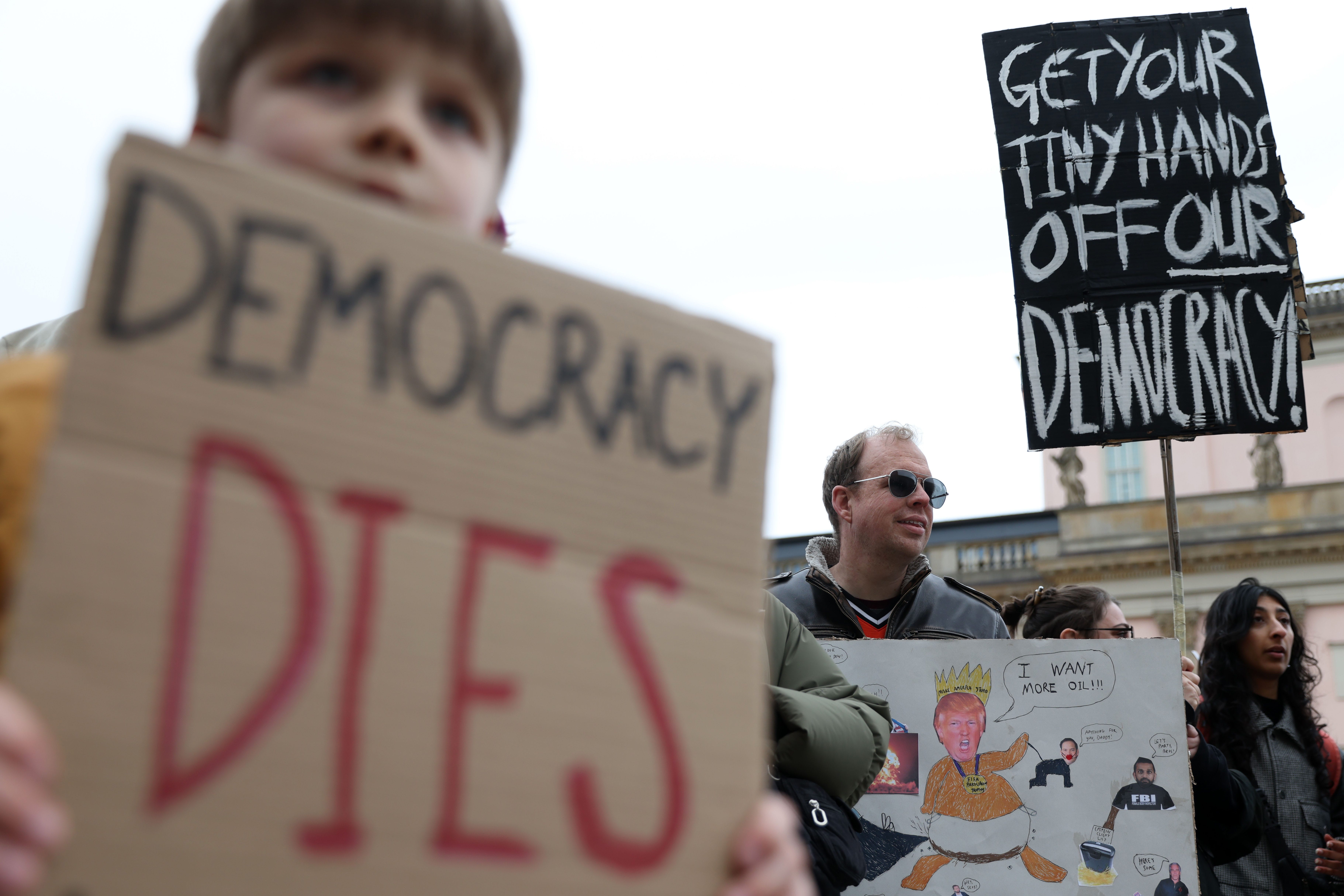
- This idea noted again.
- The Bulwark, Paul Rosenzweig, 4 Jun 2026: The Europeans Don’t Trust Us, subtitled “In fact, they consider us a threat.”
-
FOR MORE THAN EIGHTY YEARS, the Pax Americana has protected the world. Imperfect and incomplete as it was, American reliability was a pillar of Cold War stability. NATO membership and the American nuclear umbrella were, to a large degree, the reason for European safety from Russian threats. American alliances—including mutual defense treaties—plus American pressure also allowed Japan, South Korea, and the Philippines to democratize. Our strategic support (albeit in a more ambiguous way) was also the basis for Taiwanese security.
But the underpinning for all of that was American trustworthiness—the faith and confidence our allies had in America’s promise that we would come to their aid when needed. That faith and confidence is fading.
- With examples.
- And that MAGA and Trump doesn’t understand this or believe it is part of the problem. They’re too insular to care about anything outside the US.
\
Heather goes on about this too.
Letters from an American, Heather Cox Richardson, 4 Jun 2026: June 4, 2026
The wheels are wobbling on the Trump administration bus.
The administration has always been an alliance of groups and people that oppose the so-called liberal consensus: the idea that the U.S. government should regulate business, provide social welfare programs, promote infrastructure projects, protect civil rights, and support a rules-based international order.
Republicans had embraced that ideology since the 1980s, but for all their celebration of tax cuts and deregulation, leaders recognized that the modern American state depended on the free trade and defensive security systems of the international order, and that the American people liked infrastructure and social welfare programs.
Trump upended that system, promising to get rid of the federal government built around the liberal consensus, the government his voters thought they hated because they thought its protection of equality before the law gave Black Americans, Brown Americans, women, and gender or religious minorities a leg up on white Christian men. Or they thought funding for science wasted their money on the research that right-wing influencers mocked for wasting their money and intruding on their freedom. Or they thought the U.S. contribution to the North Atlantic Treaty Organization (NATO) and U.S. participation in alliances did not put “America First.”
She captures the core motivations of Trump and his fans well. And her book (reviewed here) expands on this general theme.
\
I’ve noted and wondered about this before. I think it’s because they dismiss experience and expertise, and prefer celebrity and “ratings.” Remember Ronald Reagan, Arnold Schwarzenegger.

LA Times, opinion by Matt K. Lewis, yesterday: Why do the Republicans have the celebrity candidates?
Until recently, American politics operated on a simple premise: Aspiring politicians must suck up to party bosses, run for local office, earn supporters, master policy details and only then earn a shot at higher office.
That model has collapsed.
Today’s rising stars take a different escalator — television, social media, podcasts, activism, entertainment or the internet — that goes straight to the top.
Their chief currency is not institutional support but the attention economy.
Which helps explain why Los Angeles now finds itself facing the possibility that Spencer Pratt could make a mayoral runoff.
I’ve noticed how frequently commentators blame the Democrats. Not about policy, but about politics.
Because if there’s one thing Democrats could use at the moment, it’s a charismatic figure to rise from these streets (or at least from a podcast studio) to solve their problems. Someone who could magically erase the perception that they’re preachy, uncool and permanently trapped as the nation’s cultural hall monitor.
Unfortunately, the gods rarely send a deus ex machina when requested. More often, it seems, they send a deeply flawed reality-TV star.
Appealing to policy, to reason, is a losing proposition.
\\\
Enough for this evening.
\
Activity today. Saturdays and Sundays my partner doesn’t work (on weekdays he works from home) and so he always wants to Do Things. Usually that’s going on a hike (longer than what we do on weekdays), perhaps going shopping, perhaps driving into the city (San Francisco). Today I read 30 pages of Jillette before lunch. After lunch, we went to Costco, which usually I hate (too crowded, too noisy), but we were going mostly for my sake, so I endured it. I needed Coke Zero, I needed more Cranberry supplement. We did a walk along the dog park north of Costco. Got home by 4:15pm, then I sat down to compile this post.
Music: the soundtrack by Ennio Morricone of a TV series called Marco Polo. It’s one of the most gorgeous soundtracks I know. I bought the red double-LP years ago, and then an apparently rare Italian CD, from I don’t remember where. Especially track 5 on the second CD disk, “Canzone di Mai-Li”… but I can’t find it online.