- Before it was called the Civil War, it was called the Slaveholders’ Rebellion, until apologists got the name changed;
- Trump and rewriting American history;
- Perhaps knowing less makes you happier;
- Religious folks who see data centers as signs of the apocalypse;
- Trump insists his polling number are high, even as they hit a new low;
- More about the Texas reading list.
I saw comments today about how Homer’s Odyssey was, of course, tinkered with by the later Greeks, then by the Romans, and so on, as stories always are altered to suit the thematic needs of later cultures who repeat those stories. So Christopher Nolan’s foregrounding the idea of Zeus’ law isn’t so unusual.
Running theme: history is stories, and stories always change, accidentally or deliberately.

NY Times, guest essay by Anthony Conwright, yesterday: It Wasn’t a Civil War. It Was the Slaveholders’ Rebellion.
Americans take it for granted that the war between the Confederate states and the Union was always called the Civil War, but it was not. During the war and in its aftermath, it was primarily called an “insurrection” or a “rebellion.” Its current name is a result of decades of lobbying by Confederate heritage groups and white Southerners committed to rejuvenating the South’s image and ignoring its treason and slaveholding.
As Mr. Trump and his allies try to whitewash the Jan. 6, 2021, insurrection, we should return to an older and far more accurate name for the Civil War. We should once again call it the Slaveholders’ Rebellion. If a country unquestioningly adopts language that obscures its bloodiest crimes to absolve their worst perpetrators, how can we expect successive generations to remember the new assaults on democracy without deploying equally forgiving language?
\\\
And.

NY Times, opinion by M. Gessen (who just won a Pulitzer Prize), today: Trump Is Trying to Force Americans to Unlearn What We Know
“We live in a country with an unpredictable past.” This was a saying among the intelligentsia in the Soviet Union when I was growing up. We never knew which part of our history would be obliterated next.
This was a key theme in Orwell’s Nineteen Eighty Four.
Now Americans, too, live in a country with an unpredictable past. Two months into his second term, President Trump issued an executive order titled Restoring Truth and Sanity to American History, in which he directed officials to “remove improper ideology” from the Smithsonian and its museums, to cut funding to “programs that degrade shared American values” and to reinstate some monuments removed following the 2020 Black Lives Matter protests. A very incomplete list of things that have happened since that order was issued: The National Park Service has been removing signs about slavery; the statue of a Confederate general has been reinstalled in Washington; a scathing report by the White House Domestic Policy Council accused the Smithsonian of using history “as a political instrument to divide, dispirit and discourage our citizens”; and on July 24, Trump issued a new executive order mandating that signs be installed outside the Smithsonian “warning visitors about the ideological capture at the National Museum of American History.”
This has happened throughout human history. This is why history has to be interpreted with an understanding of who wrote it. The difference now is: there is so much information everywhere that it’s more and more difficult to “change history.” The traces of actual history will still be there.
\\\
And this is another challenge to human nature, in the modern world.

Vox, Shayla Love, today: Can knowing less make you happier?, subtitled “A guide to ethical ignorance.”
It’s been noted that conservatives are happier than liberals. It’s understandable; I could spell it out, as I’ve done before, but I won’t just now. But this tendency sets a cap on the potential of the human race.
\\
Briefly noted.
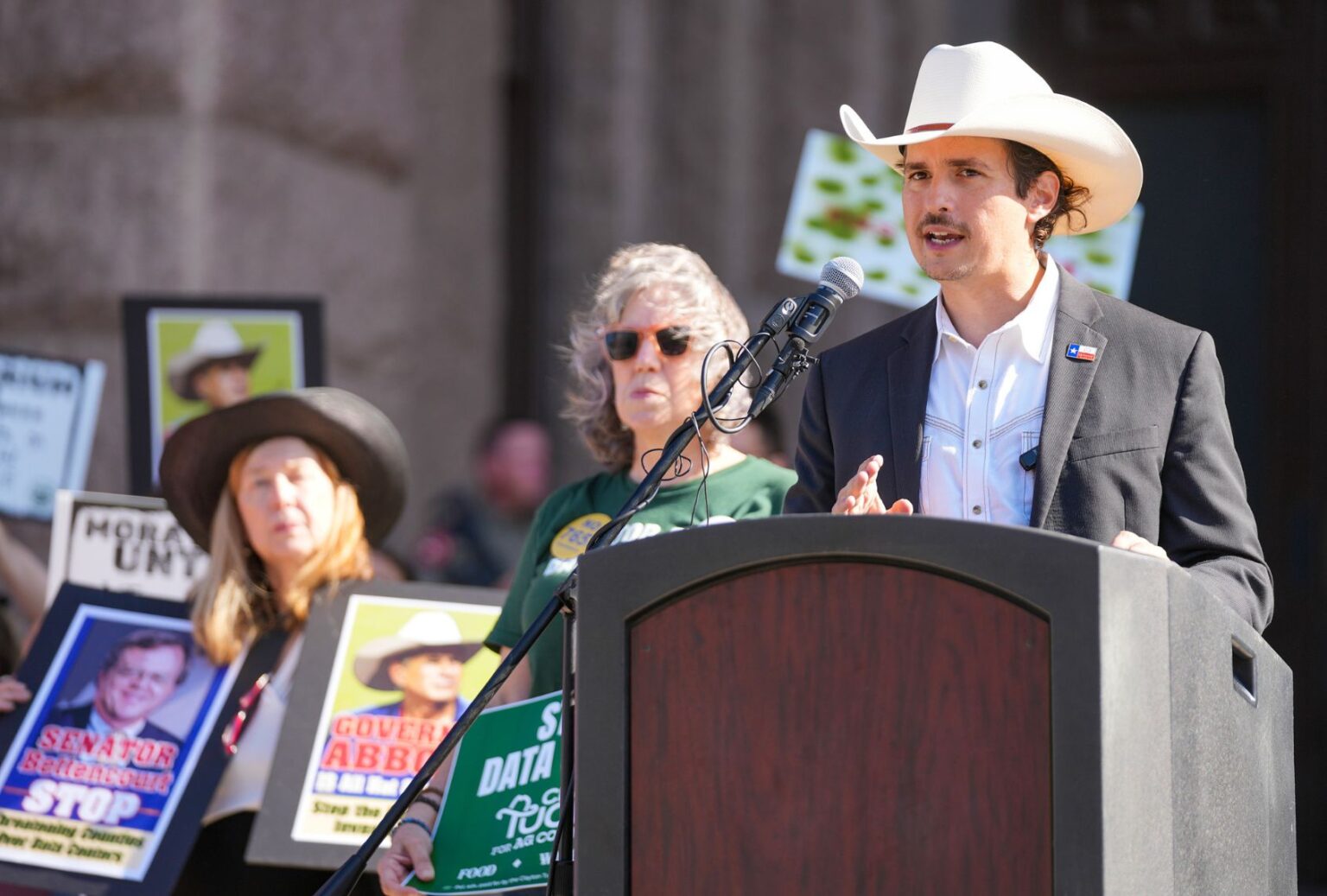
- Salon, Ellie Ashby and Chloe Landen, today: “A deal with the devil”: Religion motivates data center opponents in Texas
- Subtitled: “Some see the AI facilities as a sign of the apocalypse”
- My comment: that’s because religious conservatives see any change as a sign of the apocalypse. Strictly thinking, they might be right. But not in the way they think.
\

- JMG, today: Demented Senior Claims Poll Numbers Are “Best Ever”
- And NY Times, front page today: Trump’s Polling Numbers Hit a New Low. Don’t Expect Him to Change Course.
- Subtitled: “Barely a third of Americans approve of Mr. Trump’s handling of the job, putting him at historic depths for a second-term president at this stage of his tenure.”
- Again and again and again: why do so many still support him?
\

- NY Times, guest essay by James Traub, today: The Most Radical Thing About Texas’ Book List Isn’t the Bible
- I’m noting this mostly for its link to that Texas reading list. It’s far more extensive than any reading I got in elementary school and high school. I’ve read many of these, but not all. The article notes conspicuous omissions. But this is how society changes. Society picks which stories to tell, and how to retell them. There’s no escape from this.