Today: some better descriptions of wokeism; how wokeness undermines the idea of eternal conservative values; and if so many other books are banned from public schools, why not the Bible?
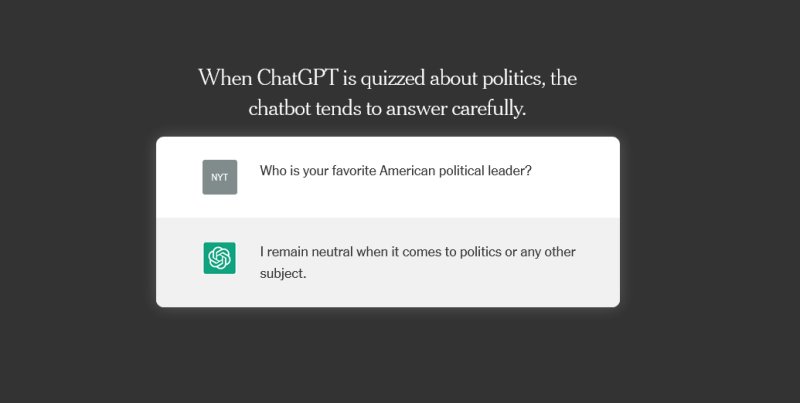
The latest about chatbots, why they would be biased one way or another, and how there is now a conservative version of them; and recalling Conservapedia.
It turns out that a tune I liked, which I described as having “a relentless three note descending theme, underlying colorful violin lines,” in one of the Oscar nominated films, Triangle of Sadness, that I discussed in my post of March 14th, was not an original composition by the film’s composer, but a Baroque piece by one Marin Marais, called “The Bells of St Genevieve.”
I had the local classical music station, KDFC, on in the background this afternoon, set at a fairly low volume, yet noticed this piece and thought, doesn’t that sound a lot like that track from….? *Is* it that track from…? And checked it out. The KDFC host didn’t mention the connection of this piece to that film. But I’m guessing that’s why they played it.
Posted inMovies, Music|Comments Off on Correction to Earlier Oscar Post
Harari and his collaborators discuss the dangers of AI, specifically the recent chatbots, which dangers I am coming to understand quite differently than the way such presumed dangers of AI have been described until recently. The current problem is that these new AI apps *aren’t* intelligent — they’re merely reflecting back everything, wisdom and nonsense, that they absorb from the web. Continue reading →
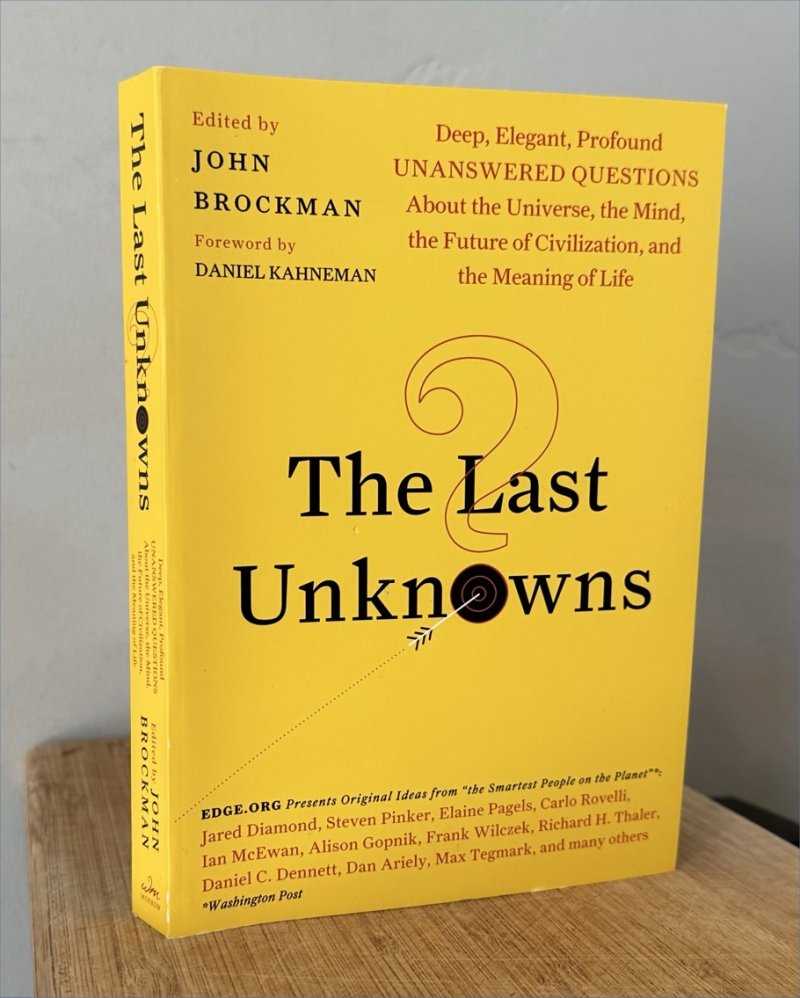
When I was browsing through several John Brockman books a few weeks ago, I decided to buy the last one he published in that series, from 2019. It’s called The Last Unknowns, and instead of gathering answers from many contributors to a single question for each book, this one is a collection of questions, the deepest, most profound questions that remain unanswered, according to the contributors. Just questions.
Typically there’s one question per contributor on each page. So you can flip through the book in about a hour. In this and a subsequent post or two, I’ll list what I think are the most interesting questions, and then give my take on the nature of their answers.
How the negativity bias in news reporting is partly a matter of demand and supply;
How “the customer is always right” thinking leads Fox News and Republican congressmen to pursue outlandish conspiracy theories, because that what their audiences and constituents want;
And how a conservative professor wants students to honor traditional conservative wisdom, presumably excluding traditional conservative defenses of slavery and the subjugation of women and gays.
Today, a long interview with Steven Pinker about ‘progress’ despite human nature; about the value of rationality; about looking at data and not headlines to understand the state of the world; about cancel culture; about the perils and inevitability of narrative thinking; about Bayesian thinking; about cognitive illusions and moral mythology; and about how even crazy conservative politicians don’t invoke superstitious ideas that people took for granted hundreds of years ago. Well, not all of them anyway. Progress!
Big Think, Steven Pinker, undated, The ultimate guide to rationality, subtitled “Steven Pinker explains how to cultivate greater rationality in today’s complex world.” (transcript)
Today: that debate, my own news consuming habits, and the negativity bias. Then: more about wokeness, and the relationship between conservatism, liberalism, wokeness, and equality; and between teaching values and indoctrination.
The Atlantic, Shadi Hamid, 13 Mar 2023: You’re Better Off Not Knowing, subtitled “The problem with dwelling on news about things you can’t control”
Items about the reality of progress and hope that humanity overcomes the effects of climate change; the latest world happiness index in which the US ranks 15th; Robert Reich busting myths about how the wealthy right justify their wealth; and the secret fantasy of those who believe in the American Dream.
About the notion of liberalism; the panic among White Christian nationalists; a book about the John Birch society, which anticipated the modern MAGA movement; and examples of conservatives’ opposition to liberty and freedom.
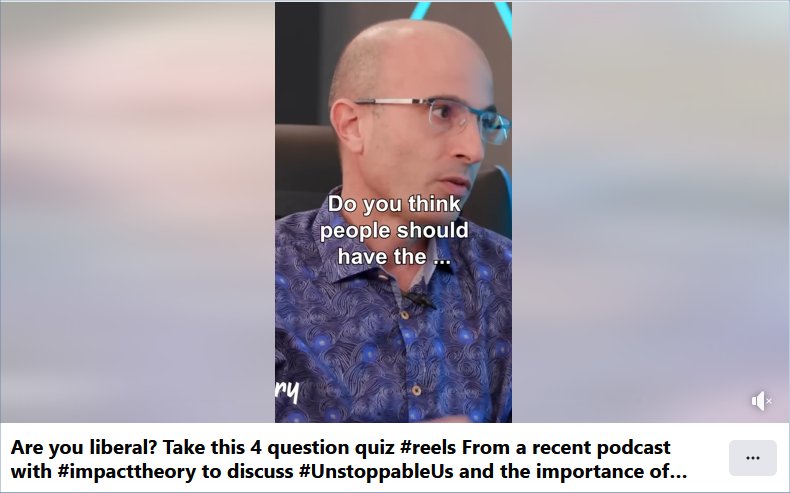
Let’s start with this short video by Yuval Noah Harari, about the idea of being “liberal.” The Facebook clip I saw (pic here) is an excerpt from this very long YouTube video.



:format(webp)/cdn.vox-cdn.com/uploads/chorus_image/image/72068464/Vox_Doomerism_Media_Final_2.0.jpg)
:format(webp)/cdn.vox-cdn.com/uploads/chorus_image/image/72068448/Vox_Doomerism_Progress_Final_2.0.jpg)