Old Teeth, Hurricanes, Government support for me not thee, Andy Borowitz, Liz Truss
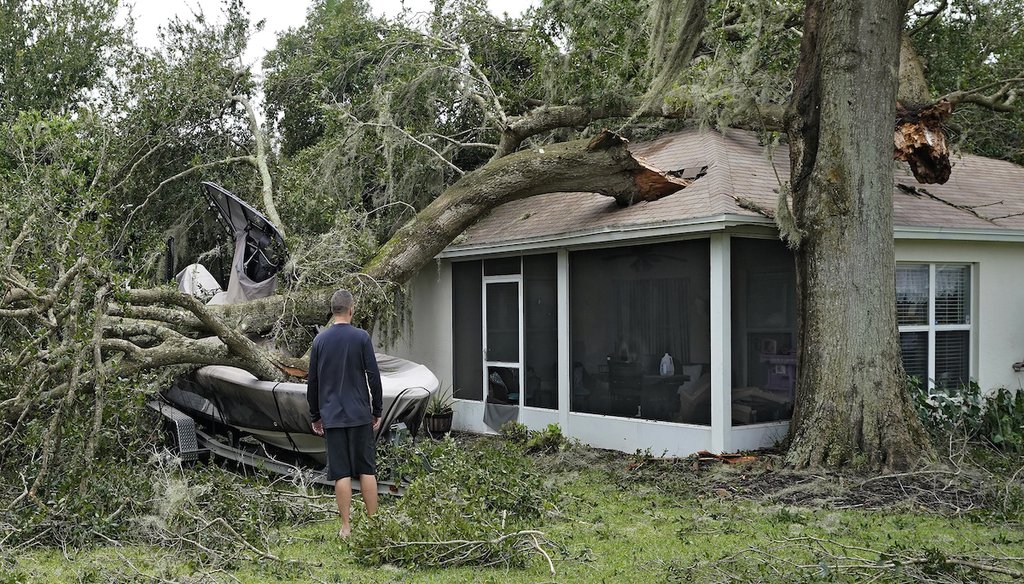
Old Teeth, Hurricanes, Government support for me not thee, Andy Borowitz, Liz Truss
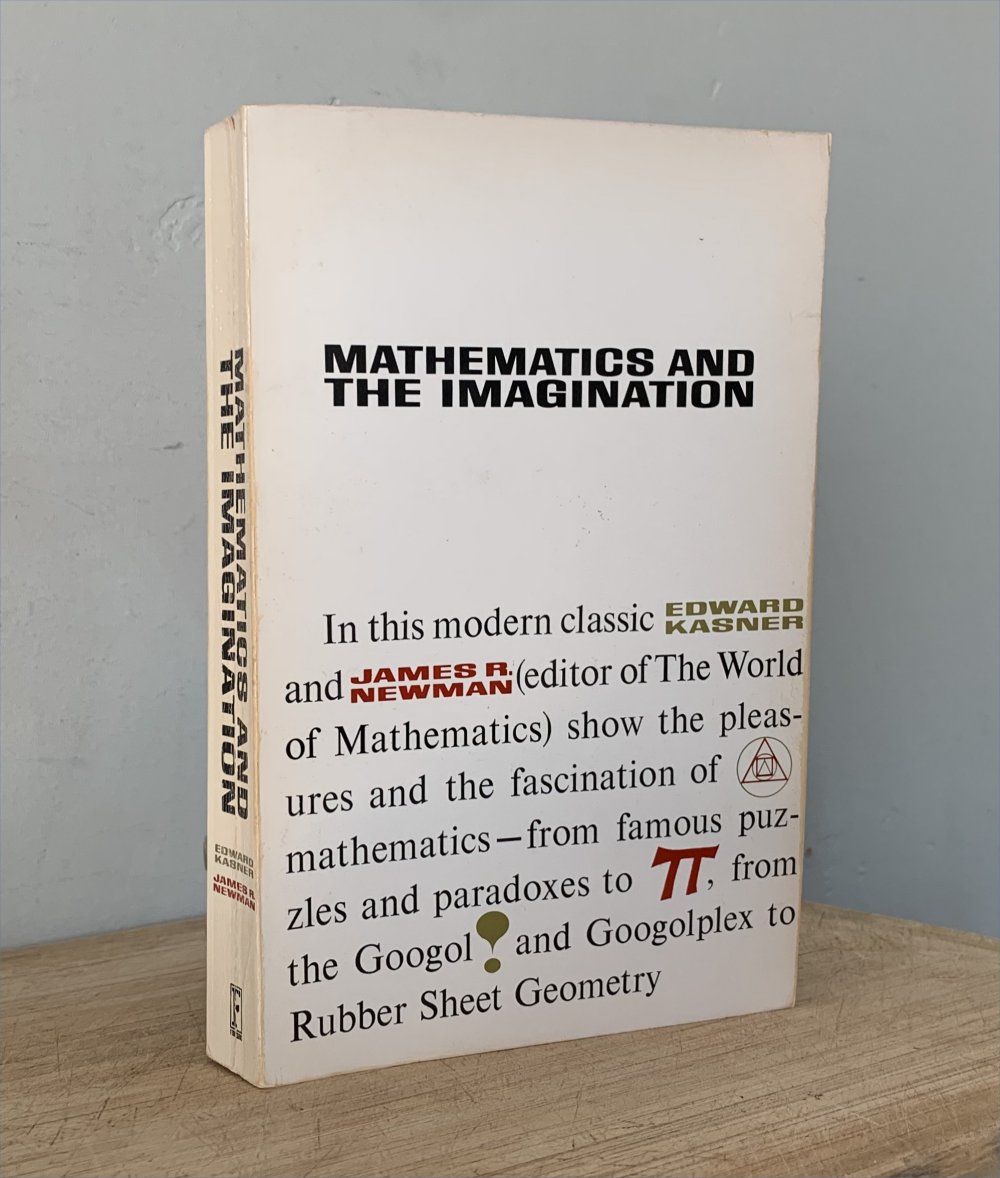 Here is another older book out of my library, one to set alongside George Gamow’s One Two Three… Infinity, which I reviewed back in August. This book is even older. Published in 1940, this is Mathematics and the Imagination, by Edward Kasner and James R. Newman, with a Wikipedia page that oddly summarizes only the first four of its nine chapters. This book, like the Gamow, is still in print, from Dover. (The Amazon “Look Inside” samples includes the complete high-annotated table of contents.)
My edition, in the photo here, is a Simon & Schuster/Fireside trade paperback with a 1967 copyright. I bought it in 1980. After I’d graduated from college but before I began my aerospace job. I read it back then, and have spent a couple three hours paging through it this week in order to summarize here.*

Two items about abortion today, one from Richard Dawkins about the illogical premise of the anti-abortionists; another about continued Republican efforts to criminalize abortion to the point of executions of women.
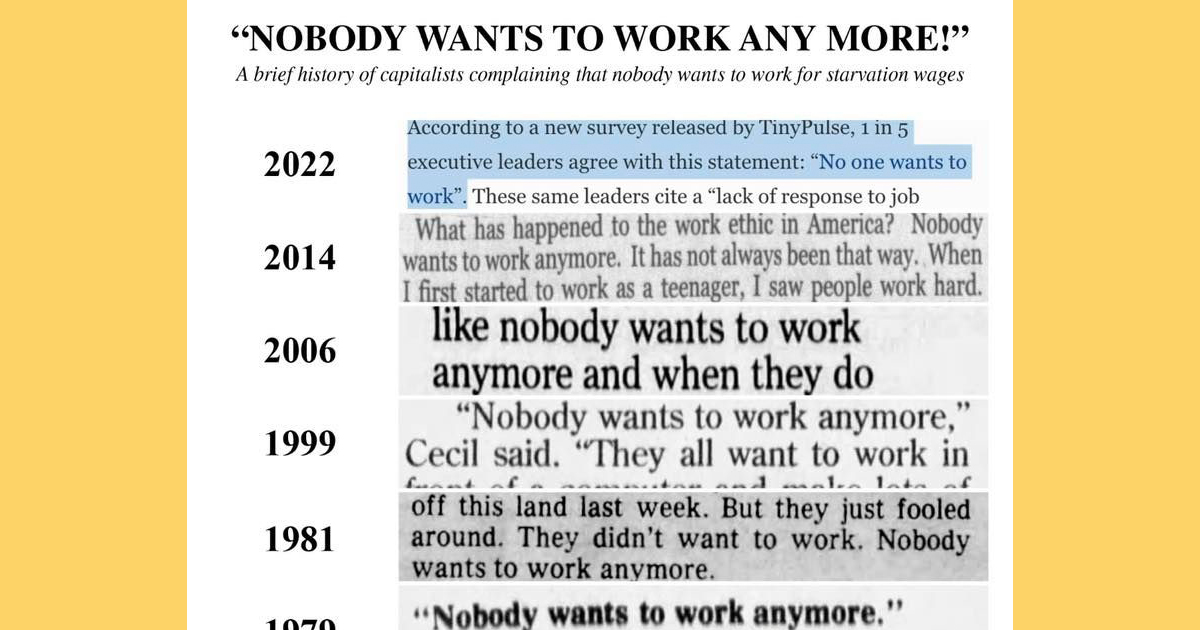
Do people really not want to work? Why do people have anxiety dreams about school long after graduating? Plus items and politics and religion.

Washington Post, Eugene Robinson, 26 Sep 2022: The only agenda that unifies the Republican Party is revenge
How do I choose which books to buy, or read? A case example. Also: about dumb politicians, and about politics as a joke.
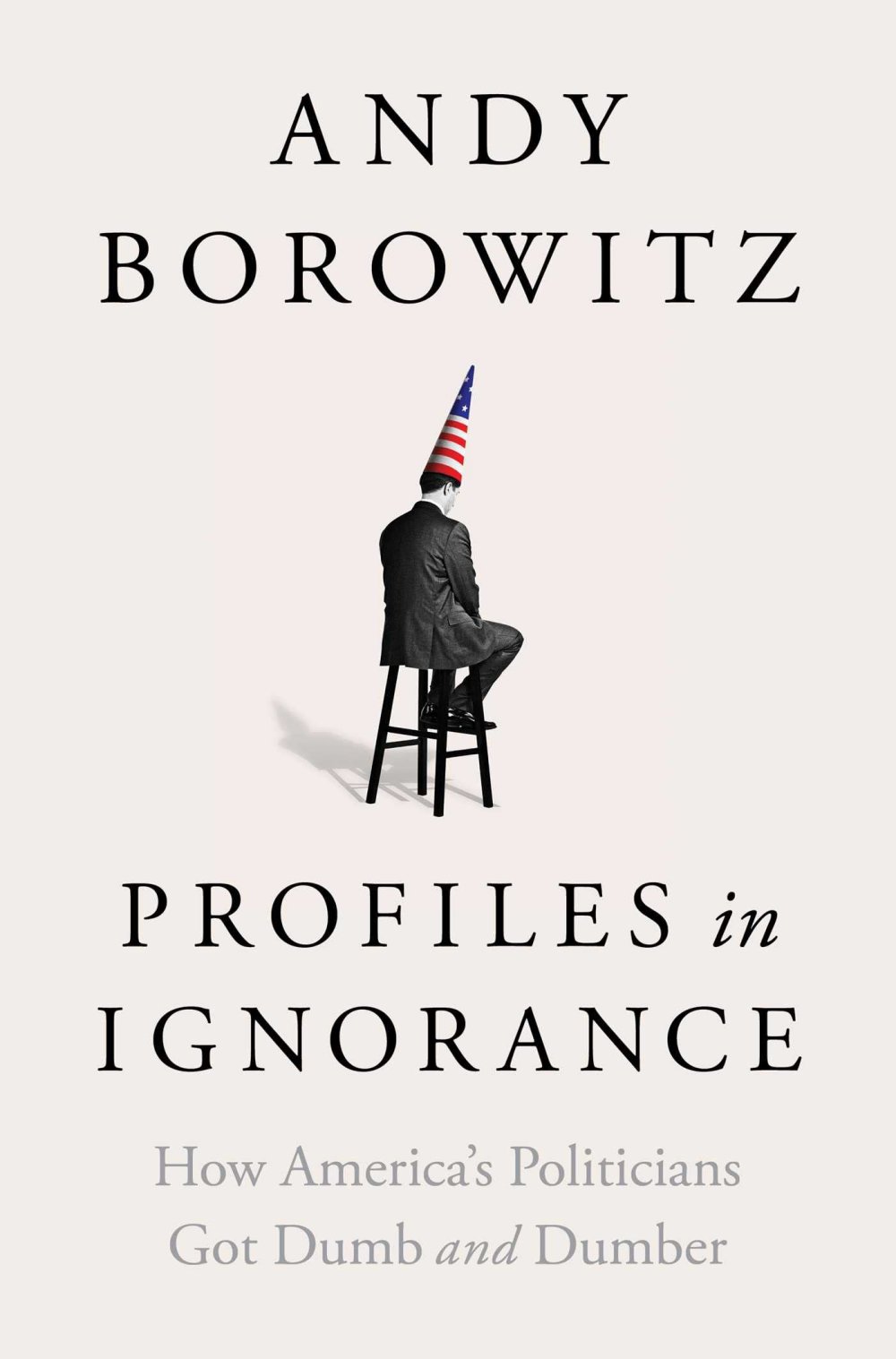
A few times here I’ve discussed my methods and thought processes to identify which books to read, or in particular which new books to buy with an eye toward reading. Here’s another chapter. Never minding the thousands of books that I own, and the several dozen from recent years that I definitely intend to read but have not yet, there are more new books that come out each year than I have time to read. Well, maybe I could read all of them if I started from scratch and *only* read new books.
There are different thought processes for different kinds of books. For novels, for example, reading one does not preclude reading any other, any more than seeing one movie rules out another, hours in the day aside. In contrast, nonfiction books might seems redundant after a point, for those on similar topics. Everyone has their favorite topics, subjects of interest, but do you need to read every basic book about cosmology or evolution that comes along? Only those by experts in the field? Only those that claim some new perspective or detail some recent discovery?
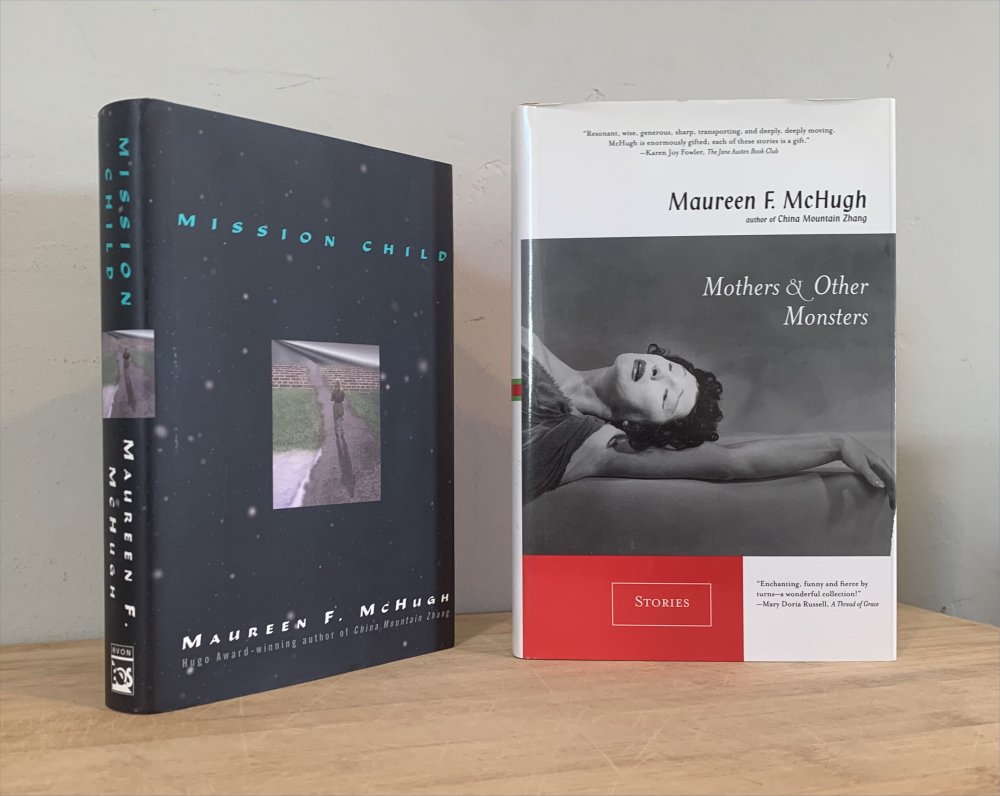
This week’s Sunday novella is “The Cost to be Wise” by Maureen F. McHugh. It was first published in the anthology Starlight 1, published in 1996. Subsequently it’s been published, aside from these Dozois anthologies, in the author’s collection Mothers & Other Monsters (2006), and it formed the first part of the author’s novel Mission Child (1998). Continue reading

Let’s do something different today. What is this blog about, and what am I trying to support, or promote?
It’s about the idea that science fiction is a key way of thinking about the world, maybe the best way. Continue reading
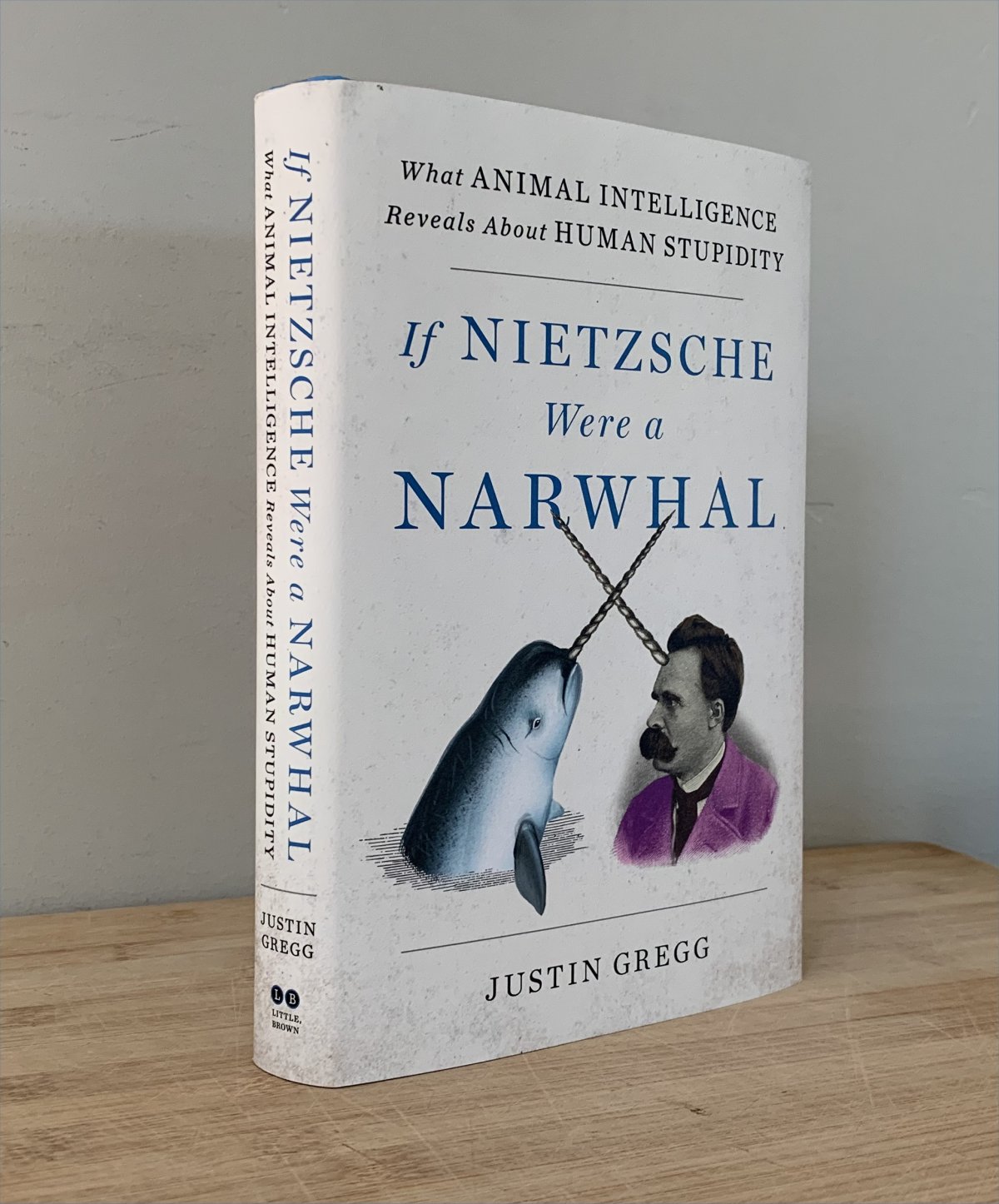 Picking up from where I left off yesterday.
My basic summary of this book is: humans are not “stupid”; the issue is that human intelligence has both good and bad consequences, and apparently we can’t have the good without the bad. The bad is that humans don’t anticipate long-term consequences, such as climate change, and the issue is whether humanity can overcome short-term thinking to save itself. Yet the overall theme is that animals have intelligence, and consciousness, in their own way; and humans are not necessarily ‘happier’ than any of them. And many animals may long outlast the human species.





Math, Existential Security, and Lots of Links
Abstract matters
NYT, Alec Wilkinson guest essay, 18 Sep 2022: Math Is the Great Secret
This is by the man who wrote a book, published earlier this year, A Divine Language: Learning Algebra, Geometry, and Calculus at the Edge of Old Age, about learning those topics in his 60s.
Continue reading →