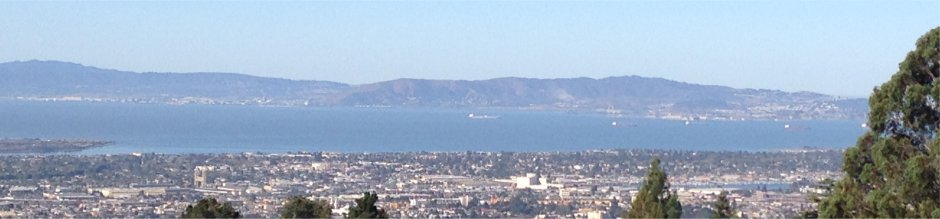
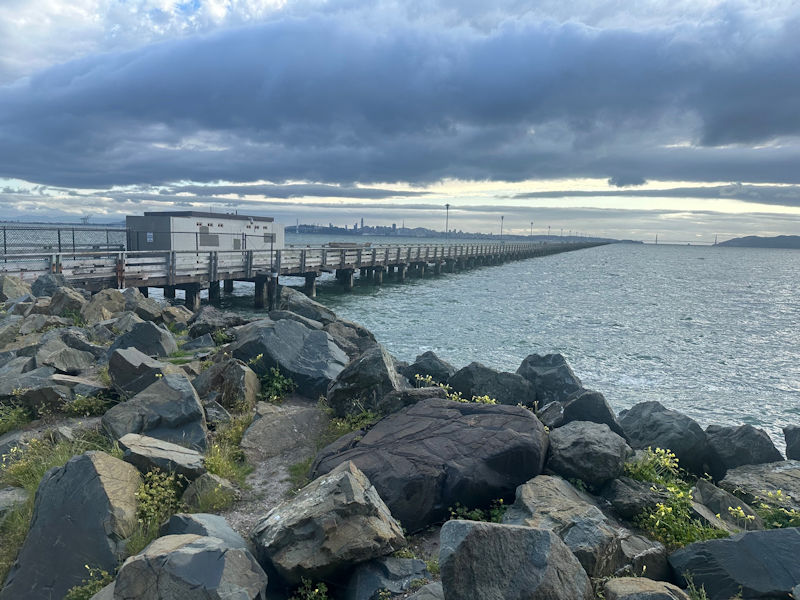
Yesterday we visited Salesforce Park, in the city.

The Atlantic, David French, 18 March 2022: What the Russia Invasion Teaches Us About the Right, subtitled, “Contrarians aren’t critical thinkers. They’re gullible reactionaries, vulnerable to conspiracy theories.”

Republicans pulled a fast one for DST. And according to them, everything wrong in the world is the Democrats’ or Biden’s fault.

I have several more links about the DST initiative, but for the moment…
I’ve created a page on this site called Musings, which is now up there on the top menu bar, where I’m compiling links and summaries to various essays on this site, from over the years, that are generally philosophical in nature, without being comments to links, as most of my posts here are.
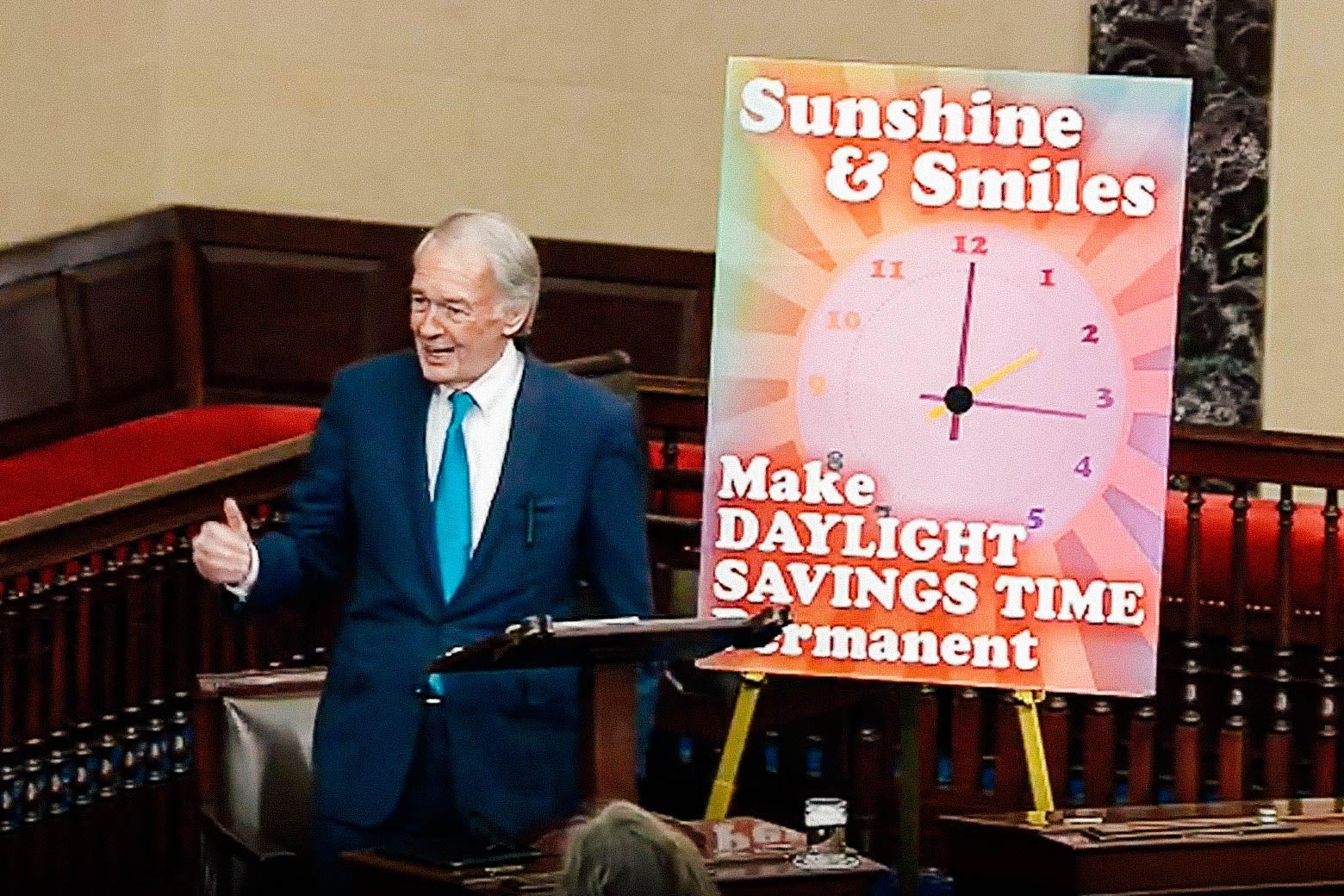
A bill passed the Senate today to make Daylight Saving [not Savings] Time permanent. This, in effect, would redefine noon, in the US, to be the time of day indicated by 1pm on the clock.
This is, in effect, changing each state’s time zone to be the one next over to the east. So California will be in Mountain Time, Colorado will be in Central Time, Texas will be in the Eastern Time, and Georgia will be in Atlantic Time. (Some countries do this kind of thing.) Perhaps this is even more easily done than worrying about “daylight saving time.” Think how time zone maps of the world will look.
Russia and fake news, how current gas prices reflect actions untaken and short-term memories, Paul Krugman on Putin vs. the open society, and where Republicans might go with Ukraine conspiracy theories.

This was Clarke’s first novel after “returning” to writing novels following the break of nearly a decade collaborating with Stanley Kubrick on the book and film 2001: A Space Odyssey. (His previous major novel had been A Fall of Moondust in 1961.) In the fact success of 2001 facilitated a major 3-book deal for a record sum of money; Rama was the first, and was followed by Imperial Earth in 1975 and The Fountains of Paradise in 1979. And these three were his last substantial novels, followed only by 2001 sequels and three relatively short novels in the late ‘80s and early ’90.
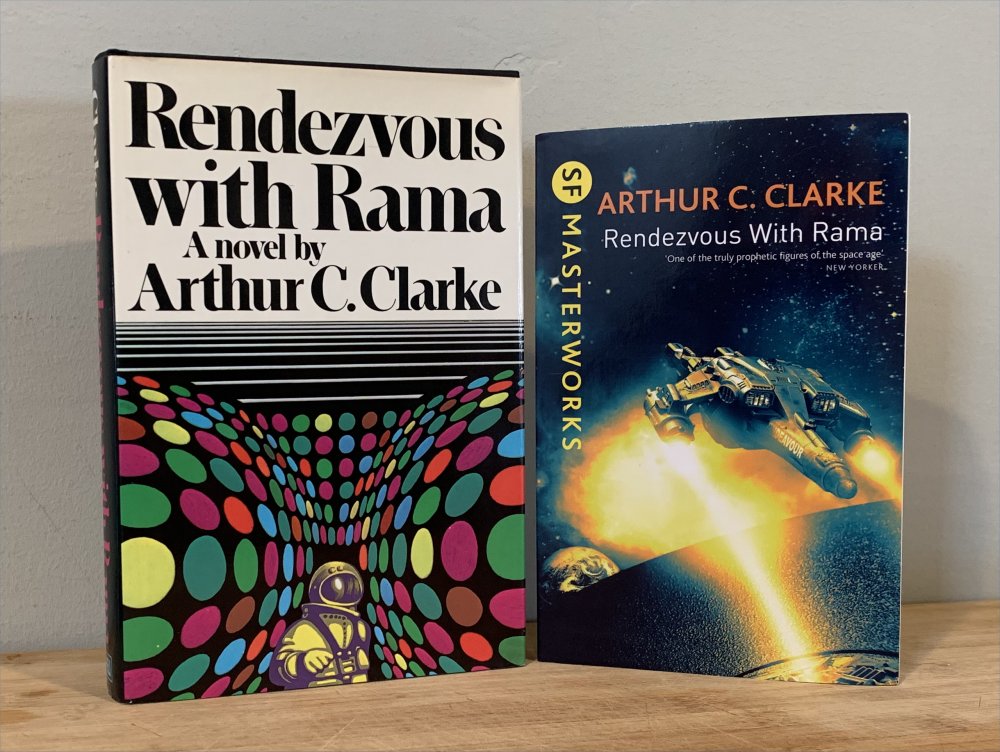
Just discovered, at 4:45pm, that I don’t have time for anything substantial this evening; we’re having guests within half an hour. (Was going to write up Clarke’s RAMA. Maybe tomorrow.) So here’s a kind of link and comment I don’t usually post here.
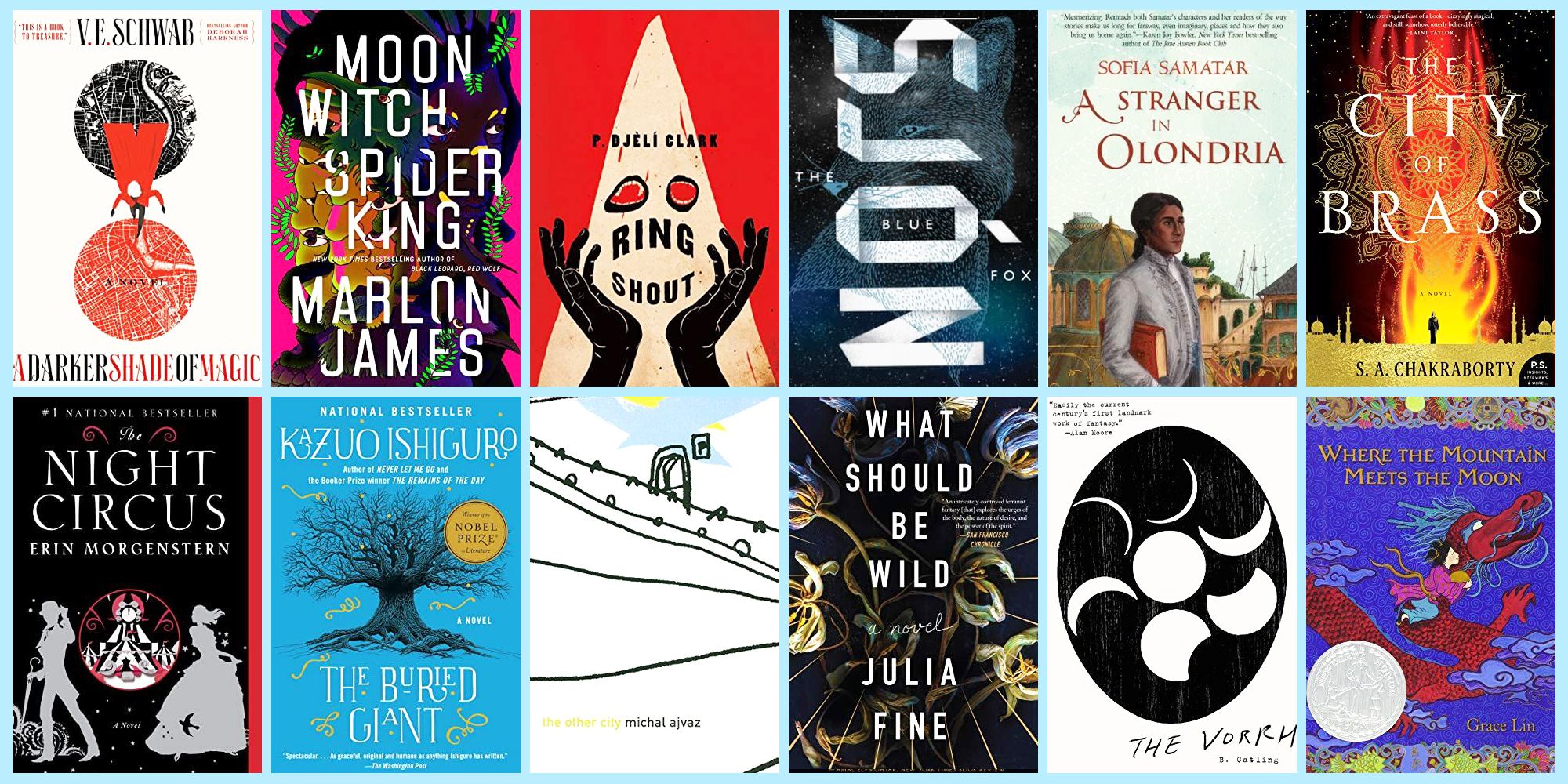
Esquire, Adam Morgan, 11 March 2022: The 50 Best Fantasy Books of All Time, subtitled, “Fantasy is the oldest genre of literature, but its best release ever landed just six years ago.”
Continue reading







LQCs: Grievances, Envy, Government & Technology, Sleeping at Night
What I discussed yesterday is in today’s NYT.
NYT, Charles Homans, 19 March 2022: Trucker Protest Moved by More Than Opposition to Covid Mandates, “The demonstrators camped outside Washington are rallying against Covid restrictions, but are fueled by a far broader set of right-wing grievances.”
Continue reading →