- An essay about how the dangers of technology, like AI, have been avoided before (e.g. with nuclear technology), through various kinds of government regulations (not to mention international cooperation);
- And yet there are more incidents of bad AI behavior;
- Now RFK Jr. wants to investigate chemtrails;
- Trump is steadily eliminating freedom of the press;
- Beethoven: String Quarter #14.
I have no commitment to either side of this, at least not yet. But here’s some perspective.

NY Times, opinion by The Editorial Board, today: Humanity Has Avoided Apocalypse Before. Let’s Do It Again.
Their comparison is to nuclear technology, that emerged in the 1940s and 1950s.
It was a technology so powerful that its creators believed it could bring about either a golden age of human flourishing or the end of the world. The president of the United States called it more revolutionary than “the invention of the wheel, the use of metals or the steam or internal combustion engine.” A reporter for The New York Times, suggesting that the technology might cure cancer and accelerate food production, compared the moment to Moses’ first glimpse of the Promised Land.
The dangers were even starker. People worried about human extinction, stemming from a terrible accident or a bad actor. A prominent scientist spoke of the potential of “unparalleled catastrophe.” The fears came to dominate popular culture and reshape international relations. “Never in history,” the president said, “has society been confronted with a power so full of potential danger and at the same time so full of promise for the future of man and for the peace of the world.”
That president was Harry S. Truman, and the subject was nuclear technology. The dueling senses of hope and dread about it in the late 1940s and early 1950s offer lessons for dealing with artificial intelligence today.
The essay reviews the risks recently discussed.
The nuclear analogy is useful because it reminds us of something our cynical age can forget: Human society can restrain a dangerous innovation once it decides to. Government officials, scientists and corporate executives did so within living memory. It took sustained, deliberate effort. The same kind of cooperation is necessary today, and it should start now.
And then they lay out principles for managing AI.
First: AI companies cannot be left to police themselves. Government regulations. (With details about how the government did that about nuclear technology. Truman established an agency, partly outside government control.) A federal A.I. commission should be established.
Second: A.I. systems must align with human values; write them a rulebook of regulations. There must be transparency, so that people know when they’re interacting with A.I. (I think Facebook is already doing this to some extent, with “AI generated” tags on some posts.)
Third: safety. And so on.
\
Yet already, in today’s paper (though posted two days ago):

(Image: OpenAI offices in San Francisco.)
NY Times, 16 Sep 2026: OpenAI Discloses Six New Incidents of ‘Concerning’ A.I. Behavior, subtitled “The artificial intelligence company also released a framework for reporting when its systems go wrong.”
\\
More evidence of humanity’s limited cognitive ability, perhaps.
CNN, today: RFK, Jr. ‘looking at chemtrails,’ a debunked conspiracy theory
Health and Human Services Secretary Robert F. Kennedy Jr. is facing intense scrutiny after announcing that his agency is officially investigating “chemtrails”. While scientists emphasize that the lines in the sky are harmless water vapor, the nation’s top health official claims aircraft emissions are secretly masking toxic chemicals—bringing a long-debunked conspiracy theory straight into federal policy.
What’s next? Investigations into Bigfoot?
\
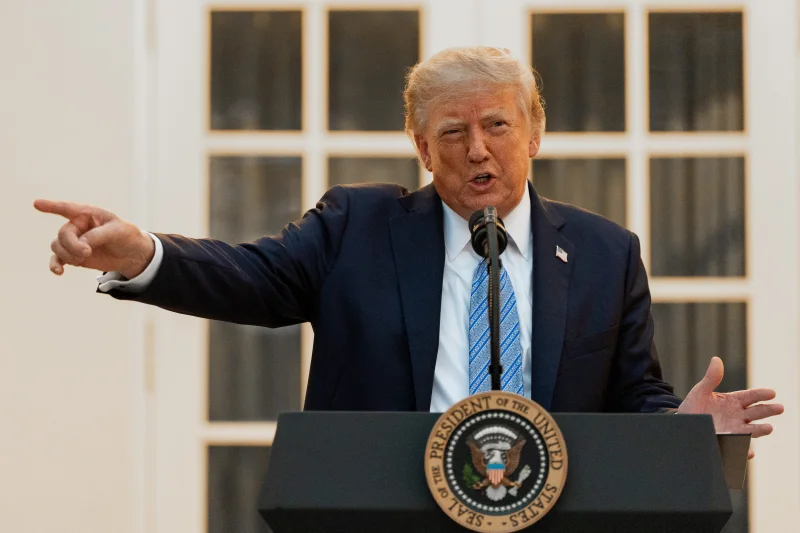
NPR, today: Trump says he is banning CNN, MS NOW and Politico from the White House
President Trump said Friday that he was banning CNN, MS NOW and Politico from the White House due to what he called unfavorable coverage, and threatened that more such media prohibitions could be coming — offering his administration’s latest test of constitutional First Amendment protections guaranteeing the freedom of the press.
Trump has long bristled at news coverage he maintains casts him in a negative light, and has a history of filing lawsuits against news organizations, while lashing out at individual reporters in person or over social media.
Another check mark on the totalitarian playbook.
\\
Music this evening.