
The “Ancient Apocalypse” nonsense; Movie trailers; Political headlines.
Continue reading
The “Ancient Apocalypse” nonsense; Movie trailers; Political headlines.
Continue reading
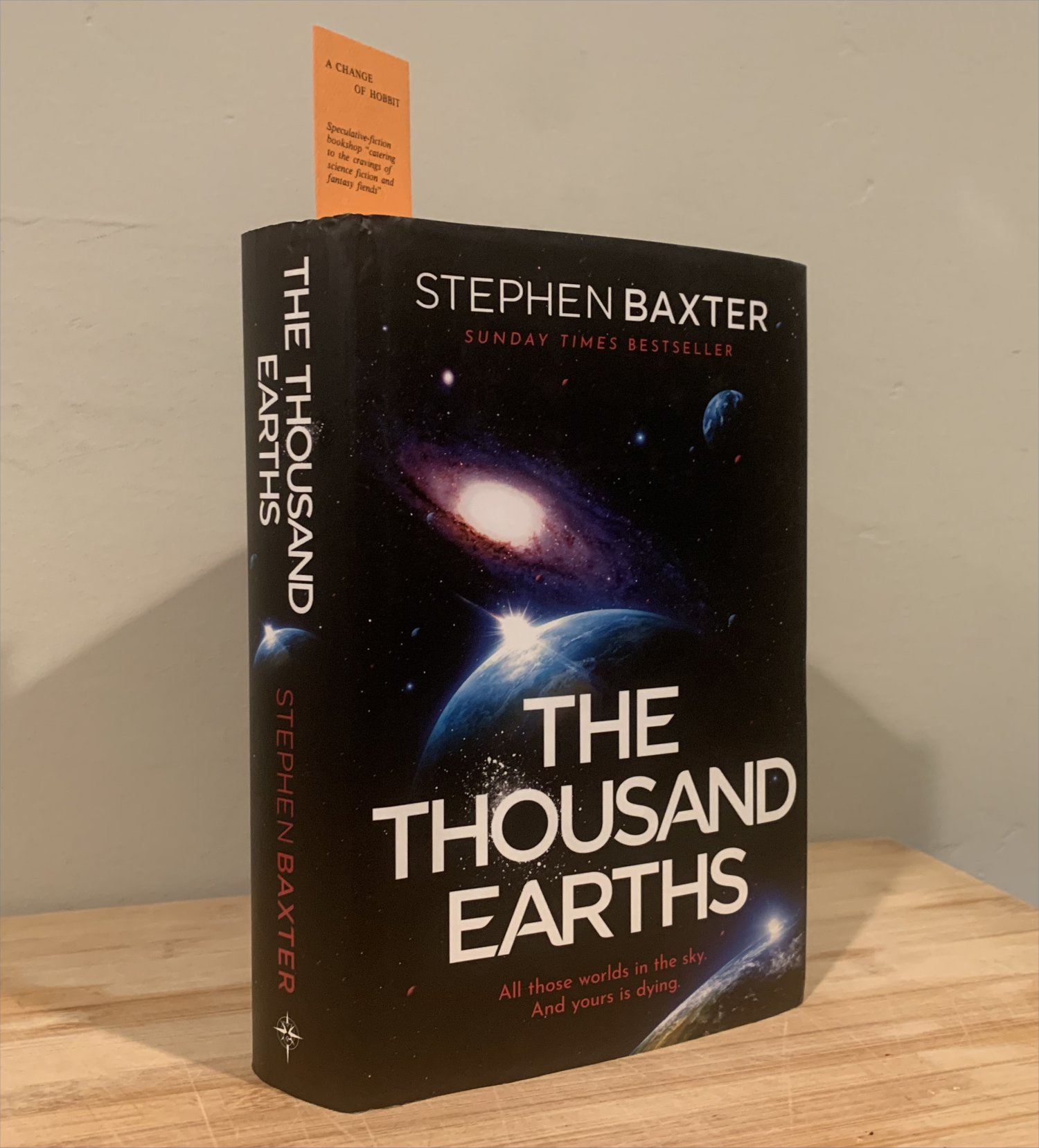
A couple items today have perhaps led me to a new formulation of the idea of “science fiction.” Continue reading

To the imminent destruction of the planet. Allow the human race to go extinct? Cut back on capitalist consumption? (Which would be worse?)
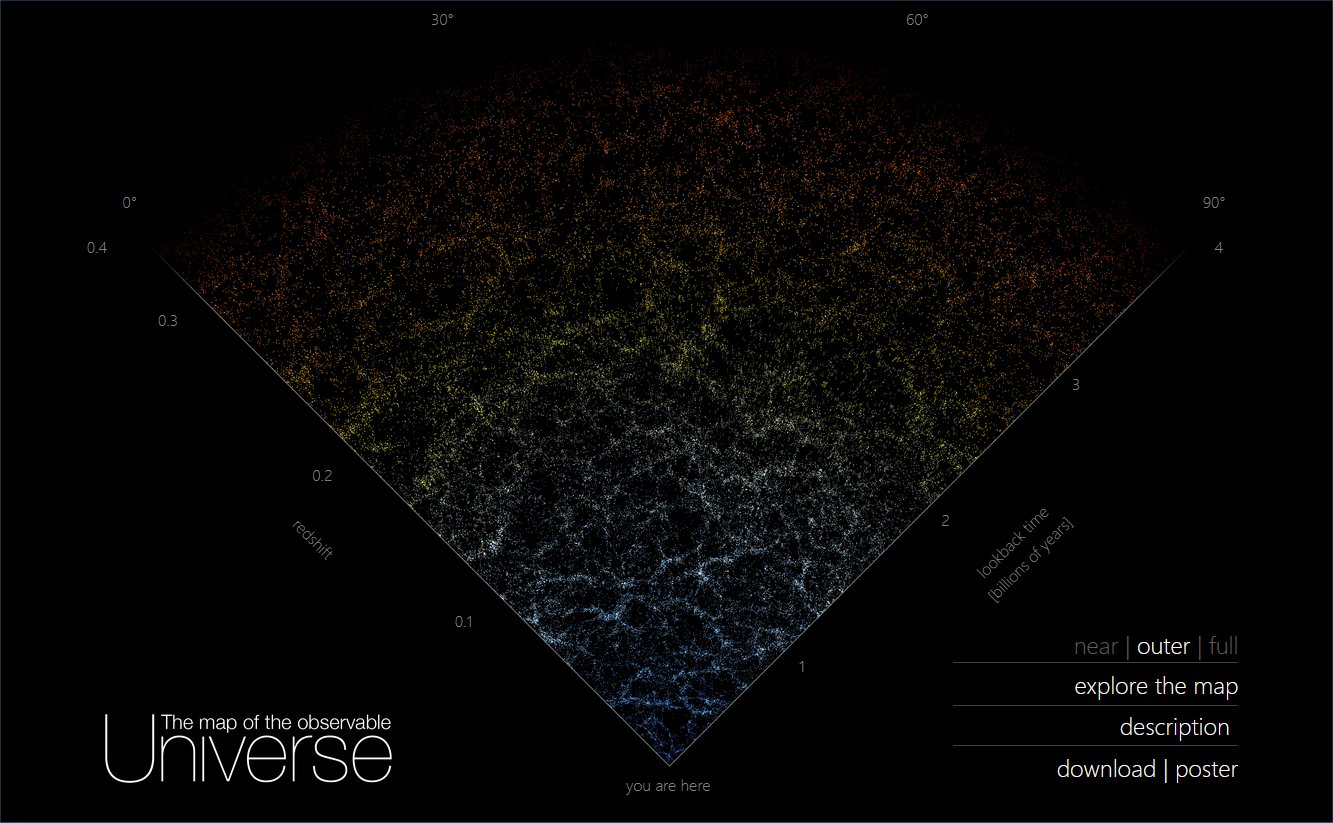
More things in heaven and earth. As a palette cleanser from my 26th, 23rd, and 16th November posts (and many previous), here’s a status check on the latest of what human beings have discovered, through systematic investigation (i.e. science), of the actual extent of our universe.

Why pecan pie is quintessentially American; how Thanksgiving is supposedly about free enterprise vs. communism; why people don’t believe crime rates are down in big cities; how the TV show Yellowstone appeals to the conservative narrative about big government; why good guys don’t need guns to bring down the bad guys.

If you wish to become a philosopher, you must try, as far as you can, to get rid of beliefs which depend solely upon the place and time of your education, and upon what your parents and school- masters told you. Continue reading
More on the 8 Billion, from Vox. And Elizabeth Kolbert’s “Climate change from A to Z.”
:format(webp)/cdn.vox-cdn.com/uploads/chorus_image/image/71626004/Vox_Highlight_Story_1_Final_16_9_.0.jpeg)

This isn’t the best photo of Greg Bear, but it’s the one I took, back at the 1984 Worldcon, in LA, the very first Worldcon I attended. I can’t tell what book he was holding, or waving — it’s his first collection, The Wind from a Burning Woman. I took similar photos of other luminaries — Haldeman, Willis, Pohl, Brin — but didn’t interact with any of them. (Perhaps I’ll post those photos too.)
The occasion for this post, of course, is that Bear, a mere 71 years old, died this past weekend. Here’s the Locus obit. Continue reading
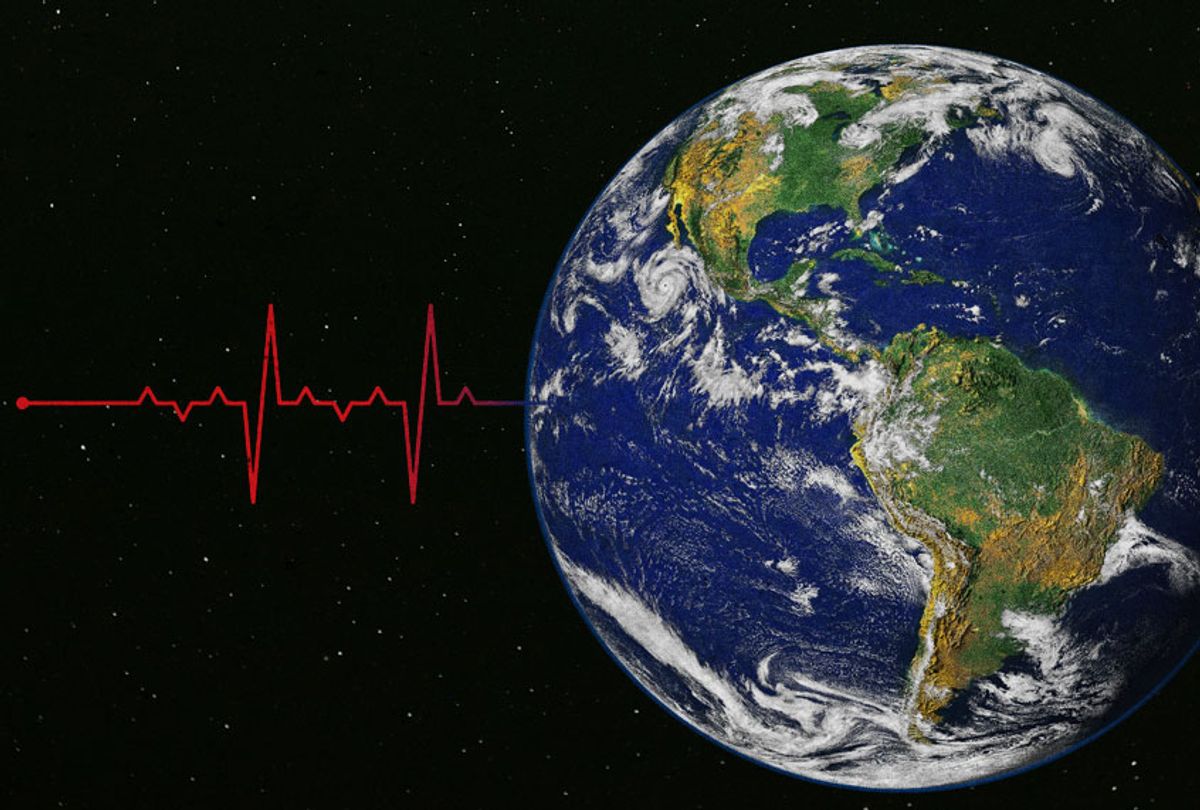
Martin Rees on science v. catastrophe; the fine-tuning argument; why the expanding world population is a good thing; the latest mass shooting and Republicans. (I try to think of more interesting blog titles, but given time constraints just give up sometimes…)